

United States
California billionaire tax heads to the November ballot as Governor Newsom rejects compromise
A proposed one-off 5% wealth tax on roughly 200 California billionaires has qualified for the November 2026 ballot;…


The US Department of Homeland Security is amending regulations governing the H-1B work visa selection process to prioritize the allocation of visas to highly skilled and higher-paid foreign nationals to better protect the wages, working conditions, and employment opportunities of US workers.
The new rule replaces the random lottery for visa selection with a process that prioritizes those with higher skills.
Spokesperson United States Citizenship and Immigration Services (USCIS) Matthew Tragesser stated:
“The current random selection process for H-1B registrations has been abused and exploited by US employers primarily seeking to import foreign workers at lower wages than they pay US workers.
The new weighted selection process will better serve the intent of Congress for the H-1B programme and strengthen US competitiveness by encouraging US employers to file for higher-skilled and higher-paid foreign workers. With these regulatory changes and other future changes, we will continue to update the H-1B programme to support US businesses without allowing abuse that harms US workers.”
Visa numbers H-1B are capped annually at 65,000, with an additional 20,000 reserved for those with advanced US degrees.
The current random selection process is often criticized for allowing unscrupulous employers to exploit the system by flooding it with low-skilled, low-wage foreign workers, to the detriment of the US workforce.
To address these concerns, the final rule will implement a weighted selection process to increase the likelihood of allocating H-1B visas to higher-skilled and higher-paid foreign nationals while still maintaining opportunities for employers to hire H-1B workers at all wage levels.
This final rule takes effect on 27 February 2026 and will apply to the FY 2027 H-1B cap registration season.
This rule is another important step to strengthen the integrity of the H-1B non-immigrant visa programme.
The rule aligns with other key changes the administration has implemented, such as the Presidential Proclamation requiring employers to pay an additional US$100,000 per visa as a condition of eligibility.
“As part of the Trump Administration’s commitment to H-1B reform, we will continue to demand more from both employers and foreign nationals so as not to undermine US workers and to put America first,” Tragesser said.
For more information, view the final rule at here.
A proposed one-off 5% wealth tax on roughly 200 California billionaires has qualified for the November 2026 ballot;…

US employment sponsorship via an employment-based green card can take 3 to more than 15 years. An analysis…
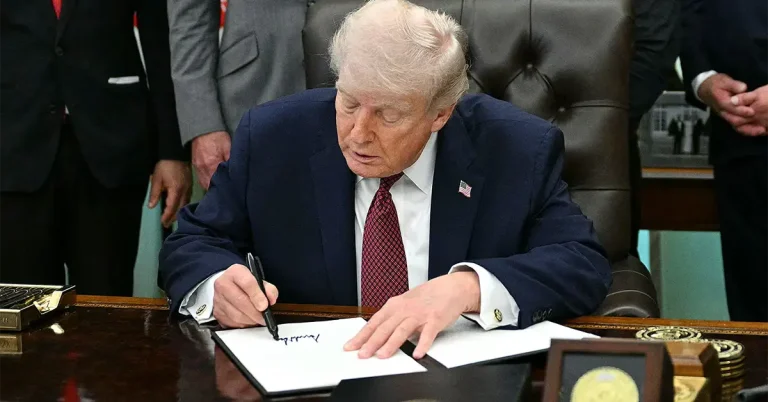
President Trump signed an executive order on 19 May 2026 requiring US banks to screen for signs of…
The Prosperous Living Investment team advises on pathways, assesses profiles and manages investments transparently for every residency, citizenship and international property objective.
Free profile assessmentWhere life gets prosperous
We use analytics cookies (Google Analytics) to understand how this site is used. They stay off until you agree. Privacy policy.