

Preparing a birth certificate for United States immigration

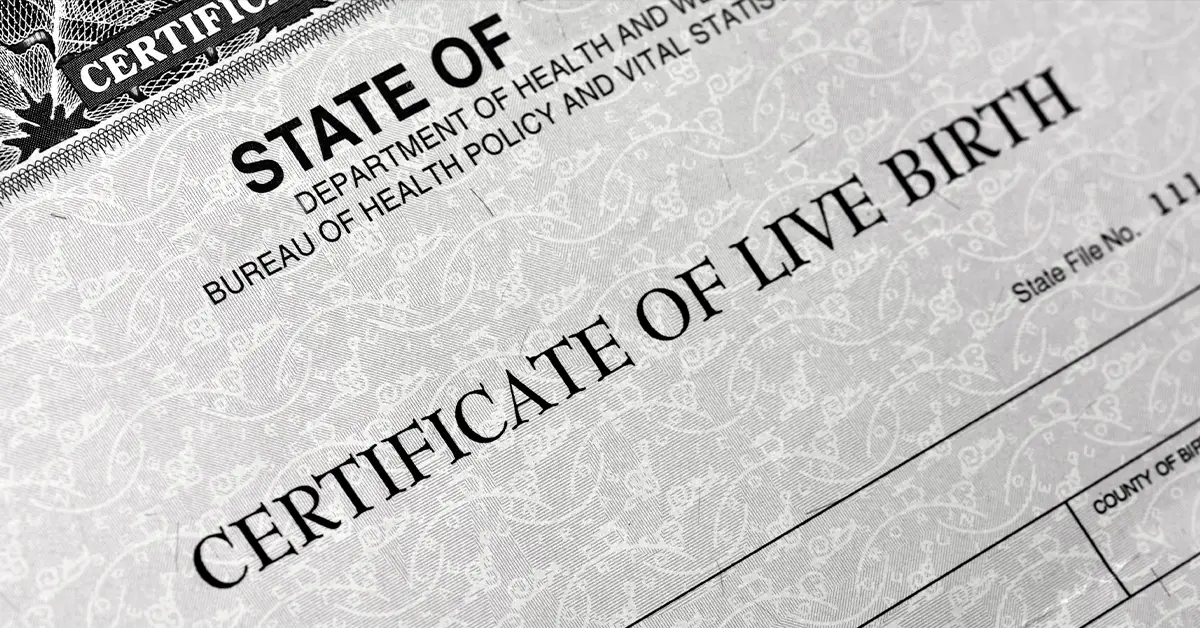
A guide to obtaining an official copy of a birth certificate and to substitute documents when filing a United States family- or marriage-based green card case.
Message
How to obtain a copy of a birth certificate
Each family member applying for a family-based green card or a marriage-based green card must provide a copy of each family member’s birth certificate to the United States government. Those who already have this document are a step ahead.
However, where the birth certificate cannot be found, do not worry. The good news is that the applicant may begin thegreen cardcase now, while gathering the certificate. The applicant does not need to have it in hand right now in order to proceed. In this guide, the content will show how to obtain an official replacement, as well as which types of document may substitute for a birth certificate where an acceptable copy is unavailable.
Considering a residency programme? The Prosperous Living Investment team assesses your profile free of charge and advises on the pathway that fits your goals.
Requirements
Who must submit a copy of a birth certificate?
Both the sponsoring relative (a United States citizen or current green card holder) and the family member applying for the green card must provide a copy of their birth certificate (usually the long-form version), together with the family sponsorship form, or Form I-130 (officially named the “Petition for Alien Relative”).
What must the birth certificate show?
A certified copy of a birth certificate must include the following:
- The applicant’s full name
- The applicant’s date of birth
- The applicant’s place of birth
- The full names of both parents
- The official seal of the issuing authority
- The date of registration (which must be within one year of the date of birth)
- The date of issue (at any time)
What to do where the birth certificate is an “extract”
Where the birth certificate is an “extract” (abridged) version of the original, it should include only the information set out above. An extract copy omits any unnecessary details useful only to the country or authority that issued the document.
What to do where the birth certificate is not in English
An original birth certificate written in a language other than English must be accompanied by a certified English translation.
Where to obtain a certified copy
The applicant will need to obtain a certified copy of the birth certificate from the appropriate government authority.
For those born in the United States, that will be the vital records office in the state where they were born. The Centers for Disease Control and Prevention (CDC) provides the name and address of each vital records office, as well as the cost of obtaining an official copy.
For those born abroad, the United States Department of State website lists the name of the issuing authority in each country, as well as the current fee and process for obtaining an official copy. (At the top left of this website, they will need to select the first letter of their country’s name, select the country, and click the “Birth, Death, Burial Certificates” tab to see the information needed.)
Where the information for their country of birth states that birth certificates are “unavailable” or “non-existent”, they will not be required to submit this document.
Note that a birth certificate issued by the consulate or embassy of the country of origin in the United States will not be accepted. Applicants must obtain the birth certificate from the issuing authority in their country of birth.
Substitute documents
Where the birth certificate cannot be found or a copy containing the necessary information cannot be obtained, the applicant must submit a notarised personal affidavit (written explanation) in which they describe the facts of their birth and why a certified copy of the document cannot be obtained. Applicants must be as specific and detailed as possible in their explanation.
Applicants must also submit one of the following types of secondary evidence:
- A baptismal certificate
- Census records
- A birth certificate issued by a local hospital or a military hospital
- A confirmation of the birth from the doctor who delivered them
- An original document from the appropriate government authority in the country of origin (where not the United States) explaining why the birth record does not exist and stating whether similar records for that time and place are available
Where the birth certificate was issued abroad, make sure also to check the relevant country’s guidance for the specific types of secondary evidence accepted.
Where none of the types of secondary evidence above is available, the applicant must submit a notarised personal affidavit from one of their surviving parents or an older family relative. The affidavit must include the following information from the person agreeing to provide it:
- Their full name, address, date of birth and place of birth
- Their relationship to the applicant
- The extent of their knowledge of the applicant
- The applicant’s date and place of birth
- The full names of both the applicant’s parents
- Other details describing the circumstances and facts of the applicant’s birth
Accompanying you on your journey in residency investment
The Prosperous Living Investment team advises on pathways, assesses profiles and manages investments transparently for every residency, citizenship and international property objective.
Free profile assessmentWhere life gets prosperous