
Portugal
President of Portugal signs Nationality Law extending the path to 10 years
On 3 May 2026, Portuguese President António José Seguro signed the amended Nationality Law into force, raising the…

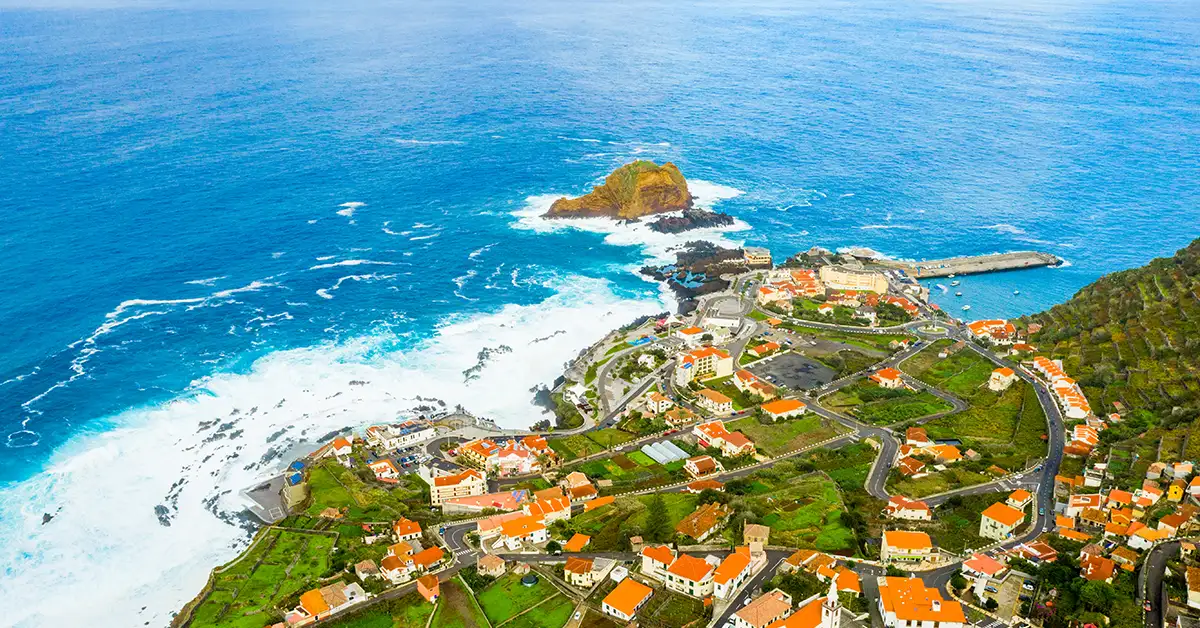
Madeira, an autonomous archipelago of Portugal located in the Atlantic Ocean, has become one of Europe’s most attractive destinations for expatriates, retirees, and digital nomads.
Renowned for its subtropical climate, natural beauty, and high quality of life, the cost of living in Madeira is generally lower than in mainland Europe or North America.
In this article, we will analyse the cost of living in Madeira, including housing, food, healthcare, transport, and lifestyle expenses.
Madeira offers an admirable balance between quality and cost, attracting many people, from retirees following The Portugal D7 Visa, families, and entrepreneurs to digital nomads following The Portugal D8 Visa.
Compared to many Western European cities, the island’s overall cost of living is lower, with significant savings particularly in housing, food, and healthcare. At the same time, some costs, such as imported goods or fuel, are slightly higher due to Madeira’s geographical isolation.
For many expatriates from the United States, the United Kingdom, or Northern Europe, the difference in affordability is striking. While cities like Lisbon, Barcelona, or London have seen sharp rent increases and daily living costs in recent years, Madeira remains relatively insulated from these pressures.
Housing costs are more manageable, and the island’s agricultural abundance means fresh produce and local food are available at budget-friendly prices.
Another important aspect is lifestyle value. Madeira’s mild year-round climate significantly reduces heating and cooling costs compared to Northern Europe or North America.
Combined with Portugal’s reputation for affordable public services, including healthcare and education, the island allows residents to live well without overspending.
Below is a comparison of the cost of living between Madeira, Lisbon, and Porto. Madeira is economical not only because prices are lower, but also because the island’s lifestyle naturally reduces expenses.
Less reliance on cars, more outdoor activities in Madeira, and a focus on fresh local food mean many residents find themselves living comfortably on a smaller budget than expected.
| Type | Madeira | Lisbon | Porto |
|---|---|---|---|
| Rent (1-bedroom apartment, city centre) | €700–€1000 | €1200–€1600 | €900–€1200 |
| Rent (1-bedroom apartment, outside centre) | €500–€700 | €900–€1100 | €700–€900 |
| Utilities (electricity, water, internet) | €100–€150 | €120–€180 | €110–€170 |
| Food (per person) | €150–€250 | €200–€300 | €180–€270 |
| Public transport (monthly pass) | €40–€50 | €40 | €40 |
| Dining out (average meal) | €10–€15 | €12–€20 | €10–€18 |
| Coffee (espresso) | €1–€1,50 | €1,20–€2 | €1–€1,50 |
Digital nomads and remote workers also benefit. Thanks to robust internet infrastructure and initiatives such as Digital Nomad Village in Ponta do Sol, the island has established itself as a hub for location-independent professionals – all at a fraction of the cost they might pay in major tech hubs.
Considering a residency programme? The Prosperous Living Investment team assesses your profile free of charge and advises on the pathway that fits your goals.
Goods in Madeira are budget-friendly, especially if bought locally. The island’s fertile volcanic soil makes fruit, vegetables, and even wine inexpensive. Fresh fish is also abundant and reasonably priced.
However, imported goods can be more expensive due to transport costs. Many residents choose to combine shopping at supermarkets and farmers’ markets, where produce is fresher and cheaper.
| Item | Average Price | Price Range |
|---|---|---|
| Milk (regular, 1 litre) | €0,93 | €0,82 – €1,10 |
| Fresh white bread (500g) | €1,66 | €0,90 – €4,50 |
| Rice (white, 1kg) | €1,43 | €1,15 – €1,60 |
| Eggs (regular, 12) | €3,41 | €2,21 – €3,90 |
| Local cheese (1kg) | €9,10 | €7,70 – €20,00 |
| Chicken fillet (1kg) | €6,18 | €2,69 – €8,00 |
| Round beef (1kg) | €10,00 | €8,60 – €20,00 |
| Apples (1kg) | €1,66 | €1,19 – €2,50 |
| Bananas (1kg) | €1,60 | €1,19 – €2,95 |
| Potatoes (1kg) | €1,73 | €0,90 – €4,00 |
| Water (1.5-litre bottle) | €0,65 | €0,36 – €1,68 |
| Wine (average) | €6,00 | €3,50 – €6,99 |
| Local beer (0.5-litre bottle) | €1,32 | €0,71 – €1,85 |
Utility bills in Madeira are modest, especially compared to northern climates where heating is a major expense. The island’s mild year-round weather means you do not require significant heating or air conditioning, keeping energy costs low.
Some areas of the island may see fluctuations in electricity costs, especially if heavily reliant on air conditioning in summer. However, most residents find their monthly bills comfortably low.
According to Numbeo, the average monthly utility cost for an 85 m² apartment is between €50 and €160.
A mobile phone plan with calls and over 10GB of data averages about €15 a month, while an unlimited 60 Mbps internet plan ranges from €20 to €60 per month.
Healthcare in Madeira is one of the island’s strongest advantages for residents. As part of the Portuguesehealthcare system, Madeira benefits from the Serviço Nacional de Saúde (SNS), the national health system, which provides universal coverage for Portuguese citizens and legal residents.
Public healthcare in Madeira is affordable and accessible, although there are some limitations. Care is provided through a network of health centres and hospitals, with the Dr. Nélio Mendonça Hospital in Funchal serving as the main facility.
Residents pay nothing or a small fee for consultations, laboratory tests, and prescriptions. Emergency services are available island-wide, and the quality of care is generally good.
Public healthcare can involve waiting times, especially for specialist consultations or elective procedures. The system works well for routine check-ups and emergencies, but those seeking faster access often look to the private sector.
Private healthcare in Madeira is popular among expats, retirees, and digital nomads. The island has several private clinics and hospitals, especially in and around Funchal, where English-speaking doctors and short waiting times are the norm.
Housing is one of the most decisive factors when considering a move to Madeira. Compared to Lisbon, Porto or the Algarve, property and rental prices on the island are lower, although demand is rising due to the island’s popularity among expats, retirees, and digital nomads.
Funchal, the island’s capital, is the most expensive area, offering modern apartments, villas, and sea-view properties. Outside the city, in towns such as Santa Cruz, Machico or Ponta do Sol, rental costs drop significantly.
Rural areas and villages are even more affordable, making them attractive to retirees seeking a quieter lifestyle.
Short-term rentals are also popular, especially in coastal areas catering to tourism, so long-term tenants may face competition during the peak tourist season.
Buying property in Madeira is a popular choice due to relatively low prices and potential for appreciation. Expats often buy holiday homes, investment properties or permanent residences.
Madeira does not restrict foreign property ownership, making it simple for expats to buy. However, investors are no longer eligible for the Madeira Golden Visa through property purchase.
Even so, property in Madeira offers good rental yields, especially in Funchal and popular coastal towns.
Education in Madeira is accessible, high-quality and affordable, offering both public and private options. Families moving to the island will find that children can integrate easily into the local school system, with international programme options at private institutions.
Regardless of location, Madeira follows the Portuguese education system. In our Global Intelligence Unit’s Global Education Report, Portugal ranks 25th, noting the provision of cost-effective education, a friendly living environment and access to quality facilities.
Public schools in Madeira follow the Portuguese national curriculum and are free for residents. Classes are taught in Portuguese, which may be a challenge initially for expat children, but many families see it as a valuable opportunity for language immersion. Schools are generally well-regarded, with strong standards in literacy, mathematics and science.
For families who prefer a bilingual or international curriculum, Madeira offers several private options and two international schools.
These schools offer programmes in English or other languages, with smaller class sizes and more extracurricular activities.
Madeira is home to the University of Madeira, located in Funchal. It offers a range of undergraduate and postgraduate programmes, attracting both local and international students.
Tuition fees are modest compared to North American or UK universities, typically €1,000–€3,000 per year for EU students and slightly higher for non-EU students, typically €1,000–€3,000 per year.
On 3 May 2026, Portuguese President António José Seguro signed the amended Nationality Law into force, raising the…
Portugal's new nationality law extends the residency requirement to 7-10 years, adds language and cultural requirements, and tightens…
The Agency for Integration, Migration and Asylum (AIMA) plays a central role in clearing the application backlog, having…
The Prosperous Living Investment team advises on pathways, assesses profiles and manages investments transparently for every residency, citizenship and international property objective.
Free profile assessmentWhere life gets prosperous
We use analytics cookies (Google Analytics) to understand how this site is used. They stay off until you agree. Privacy policy.