

Canada
Canada suspends citizenship by descent certificates issued under Bill C-3
IRCC has suspended some citizenship-by-descent certificates issued under Bill C-3 and requested their return, over concerns about the…


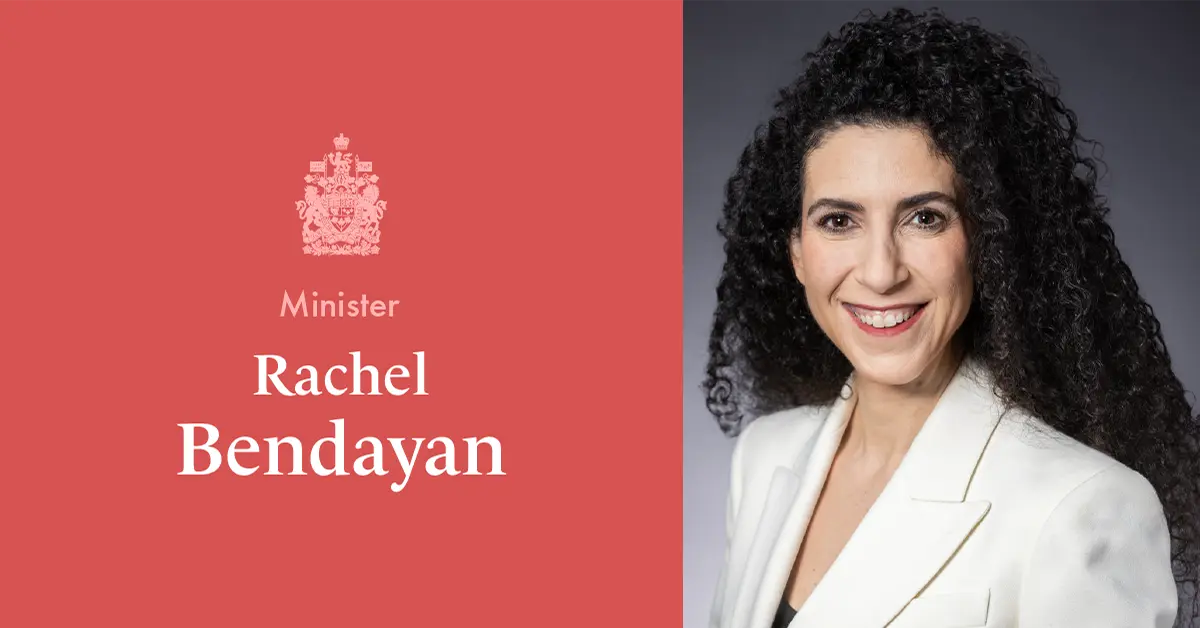
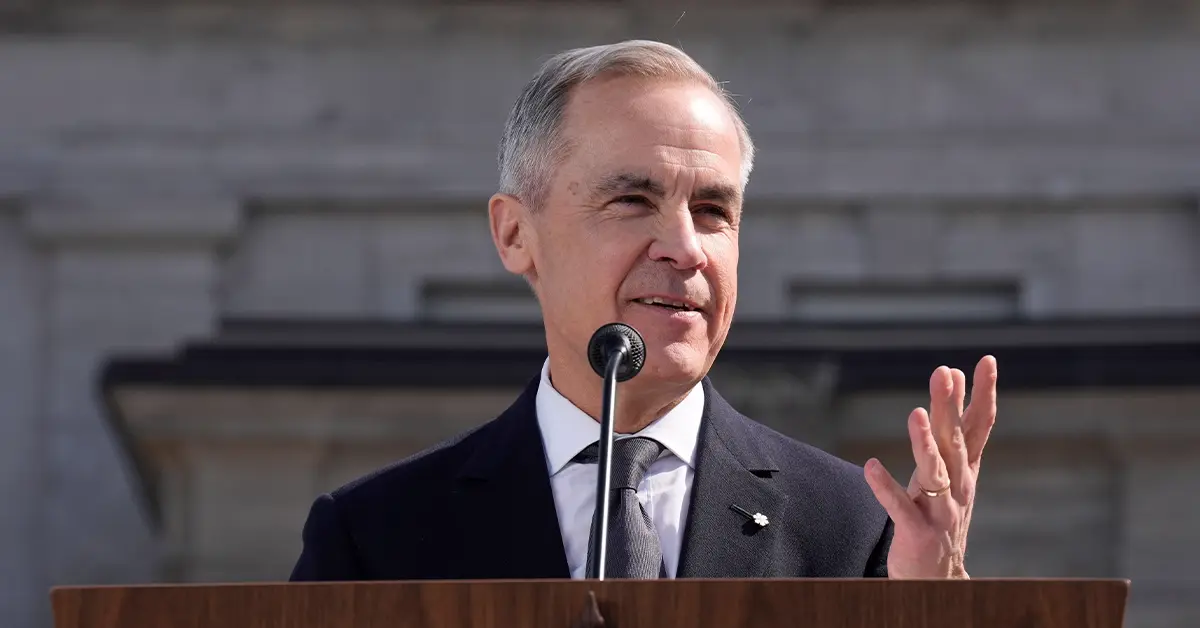
On 14 March 2025, Mr Mark Carney, Canada’s new Prime Minister, announced his cabinet ahead of the 2025 federal election, including a new Minister of Immigration, Refugees and Citizenship (IRCC).
The centrepiece of the reshuffle is the appointment of Ms Rachel Bendayan as the new Minister of Immigration, Refugees and Citizenship (IRCC), replacing the former Immigration Minister, Mr Marc Miller.
Rachel Bendayan, a Member of Parliament for Outremont, Quebec, takes on this important role at a time when immigration policy is under close scrutiny. Cabinet reshuffles are a familiar feature of Canadian politics, allowing the Prime Minister to reappoint or remove ministers in order to reward strong performance, address underperforming departments, or bring policy into line with public opinion.
The most recent cabinet reshuffle took place in July 2023, when the immigration portfolio passed from Sean Fraser to Marc Miller.
Detailed article on the Minister of Immigration, Refugees and Citizenship (IRCC).
Before taking the helm of Immigration, Refugees and Citizenship Canada (IRCC), Ms Rachel Bendayan held a number of roles in Canadian politics, including that of the country’s former Minister of Official Languages.
Minister Bendayan has also served as parliamentary secretary to:
Bendayan was born into a Moroccan Jewish family and grew up in Quebec. She holds a Bachelor of Arts in international development studies and a joint Bachelor of Civil Law/Juris Doctor degree from McGill University.
With almost a decade of experience, she built a successful legal career at Norton Rose Fulbright before entering politics. In her legal career, Bendayan focused on international litigation and arbitration, specialising in international trade law. She also taught at the Faculty of Law of the Université de Montréal.
See the official information on Ms Rachel Bendayan on the Parliament of Canada website here.
Considering a residency programme? The Prosperous Living Investment team assesses your profile free of charge and advises on the pathway that fits your goals.
With the change of government, Canadian immigration policy now rests with Prime Minister Mark Carney and Immigration Minister Rachel Bendayan. Canadian ministers (including the Immigration Minister) receive mandate letters from the Prime Minister setting out the objectives each minister must achieve and the challenges they will face in their role.
Prime Minister Carney’s view of those objectives and challenges for Canada’s Immigration Minister is not yet clear at this stage. However, his earlier statements offer some indication of his thinking. Among other policies, Carney has previously supported:
Marc Miller’s term as Canada’s Immigration Minister, from July 2023 to March 2025, brought significant changes to the country’s immigration system, particularly in relation to the tightening of temporary and permanent immigration.
Many of Miller’s policies revolved around these themes, with the most significant measures aimed at reducing the flow of new arrivals in order to address housing and affordability pressures at home.
Among other changes, during his time as Immigration Minister, Mr Marc Miller:
Immigration is a pivotal issue in Canadian society, with new arrivals playing an important role in strengthening the country’s labour market and demographics. During his time as immigration minister, Marc Miller often stressed the vital role immigration plays in Canadian society, allowing Canada to avoid an economic recession in 2023.
The immigration portfolio is such a significant focus in Canadian politics that former Prime Minister Justin Trudeau personally announced the 2025-2027 Immigration Levels Plan.
The importance of the immigration portfolio is further shown by the prominent roles many immigration ministers continue to hold even after their time at the head of IRCC.
Sean Fraser, Marc Miller’s predecessor as Immigration Minister, went on to become Canada’s Minister of Housing, Infrastructure and Communities – an important role in the current context, given the imbalance between housing supply and housing demand in the country and the negative effects this has on affordability.
Fraser’s own predecessor as Immigration Minister, Marco Mendicino, has likewise continued to hold prominent positions in Canadian politics, serving as the country’s Minister of Public Safety until 2023. Mendicino is now the 16th Chief of Staff appointed under Mark Carney.
Beyond its growing importance, the immigration rules in Canada show that Immigration, Refugees and Citizenship Canada (IRCC) has a degree of operational control and flexibility that many other government departments do not enjoy.
This is demonstrated, for example, by the public policies IRCC is able to issue in order to deliver on the government’s mandate. One example of an earlier public policy is the temporary measure lifting the cap on working hours for international students in Canada during regular academic sessions.
IRCC has suspended some citizenship-by-descent certificates issued under Bill C-3 and requested their return, over concerns about the…

On 21 May 2026, Prince Edward Island issued 114 PNP invitations through the Labour Impact and Express Entry…

Alberta issued 1,051 AAIP invitations between 1 and 13 May 2026 across four draws, prioritising healthcare, technology and…
The Prosperous Living Investment team advises on pathways, assesses profiles and manages investments transparently for every residency, citizenship and international property objective.
Free profile assessmentWhere life gets prosperous
We use analytics cookies (Google Analytics) to understand how this site is used. They stay off until you agree. Privacy policy.