

Items for entry to the United States: a detailed guide to what may and may not be brought in


Message
An introduction to items for entry to the United States
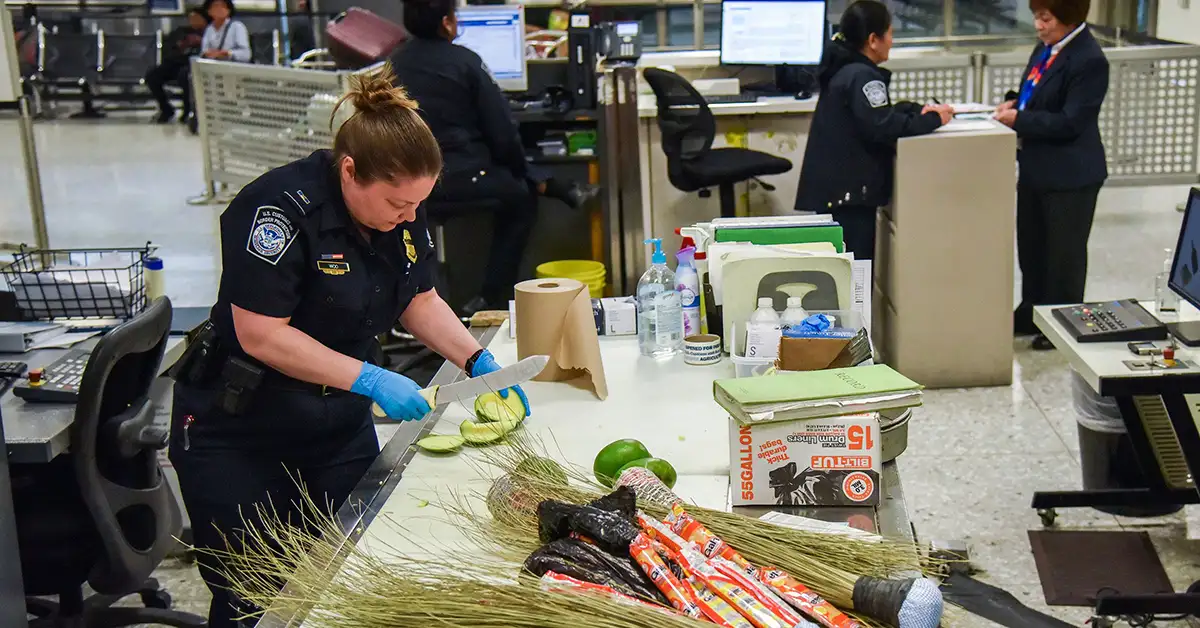
When preparing for a trip to the United States, understanding items for entry to the United States is essential. US Customs and Border Protection (CBP) regulates these rules strictly in order to protect public health, public safety and local ecosystems.
This article analyses in detail which items are permitted, what is prohibited or restricted, the reasons behind the rules, together with useful advice for travellers. Based on data from official sources such as CBP and the USDA, thousands of items are seized every year for breaching the rules, leading to fines or delays.
According to a CBP report, in 2024 the agency seized more than 1,148 pounds of fentanyl in December alone, along with a range of other prohibited substances. These figures underline the importance of compliance. Let us explore, so that your trip is safe and goes smoothly.
An introduction to items for entry to the United States
When preparing for a trip to the United States, understanding items for entry to the United States is essential. US Customs and Border Protection (CBP) regulates these rules strictly in order to protect public health, public safety and local ecosystems.
This article analyses in detail which items are permitted, what is prohibited or restricted, the reasons behind the rules, together with useful advice for travellers. Based on data from official sources such as CBP and the USDA, thousands of items are seized every year for breaching the rules, leading to fines or delays.
According to a CBP report, in 2024 the agency seized more than 1,148 pounds of fentanyl in December alone, along with a range of other prohibited substances. These figures underline the importance of compliance. Let us explore, so that your trip is safe and goes smoothly.
Items that may be brought in when entering the United States
Many personal items and goods are permitted into the United States where they meet safety standards and pose no risk. However, everything must be declared at customs for inspection. The main categories are set out below.
Permitted food and agricultural products
Some processed foods are usually allowed through where they contain no risk factors. For example, baked bread, cheese, packaged spices, honey, coffee and tea are usually accepted. These items do not carry pests or infectious diseases.
Under USDA guidance, travellers may bring products such as cooking oil or vinegar without a special permit. However, the origin must be clear, and receipts should be kept as proof. Data from APHIS show that declaring items helps avoid a USD 300 fine for a first offence.
Medicines and personal medical devices
Prescription medicines are permitted where they are for personal use. The FDA allows foreign nationals to bring a 90-day supply of medicine, together with a prescription or a doctor’s letter in English.
For example, controlled medicines such as insulin for diabetes are accepted where a medical certificate is provided. For US citizens, the quantity must not exceed a 3-month supply. These rules ensure safety and prevent abuse.
Personal effects and gifts
Clothing and personal electronics such as phones or laptops are usually permitted without difficulty. Personal gifts, rather than commercial goods, are also accepted where the value is under USD 800 for duty exemption.
According to CBP, a car temporarily imported for travel of less than a year does not require modification. This makes it easier for travellers to get around.
A summary table of some commonly permitted items is set out below:
ItemConditionNoteBread, packaged confectioneryContains no meat or fresh fruitDeclare for inspectionPrescription medicine90-day supply, with prescriptionMust be in the original packagingClothing, footwearClean, with no soil attachedClean before bringing
These items allow travellers to maintain their daily routine without breaching the rules.
Items that may not be brought in or are restricted when entering the United States
Items that may not be brought in or are restricted when entering the United States
Many items are entirely prohibited or require a special permit in order to avoid health, security and environmental risks. CBP enforces the law for more than 40 other agencies, leading to seizure where the rules are breached.
Prohibited food and agricultural products
Most fresh, dried or canned meat from abroad is prohibited because of the risk of infectious disease. For example, beef from countries with livestock disease outbreaks is refused immediately.
Fresh fruit and vegetables, such as apples or tomatoes, are usually seized because they may carry pests. According to the USDA, a single piece of fruit infested with the Mediterranean fruit fly once caused USD 100 million in damage in the 1980s. Soil, seeds and unprocessed plant products require an APHIS permit.
Weapons and explosives
Personal weapons such as firearms may be brought in temporarily where a CBP Form 4457 certificate is held. However, ammunition and unlicensed weapons are entirely prohibited.
The reason is export control under the Export Administration Regulations (EAR). A breach may lead to seizure and imprisonment.
Restricted medicines and controlled substances
Medicines not approved by the FDA, such as counterfeit or foreign over-the-counter medicines, are prohibited. The FDA prohibits the importation of medicines by US citizens except in a medical emergency.
Narcotics such as drugs or unprescribed smoking paraphernalia are seized. According to the DEA, quantities of controlled medicines must comply with strict schedules in order to prevent abuse.
Animals and animal products
Endangered wildlife, such as ivory or snakeskin, requires an FWS permit. Dog and cat fur is prohibited under the Dog and Cat Protection Act 2000.
Pets such as dogs require rabies vaccination certification. Pet birds from areas with H5N1 influenza outbreaks are temporarily prohibited. Penalties include seizure and 30 days of quarantine at the owner’s expense.
A bullet list of commonly prohibited items:
Fresh meat or products containing meat (for example: bouillon, packaged soup).
Fresh fruit from abroad (for example: apples, oranges).
Unlicensed weapons.
Medicines not approved by the FDA.
Products from endangered animals (for example: ivory).
These restrictions protect the US ecosystem from biological invasion.
The rules on items for entry to the United States are based on federal law intended to protect national security
The reasons for and the legal rules behind items for entry to the United States
The rules on items for entry to the United States are based on federal law intended to protect national security. CBP works with the USDA, the FDA and the CDC to enforce them.
For example, agricultural foods are prohibited because of pest risk, as in the case of the Mediterranean fruit fly, which caused major economic damage. According to a 2025 CBP report, methamphetamine seizures rose 30% on the previous period, underlining the effort against narcotics.
The fine for failing to declare agricultural products is USD 300 for a first offence, rising to USD 500 subsequently. A serious breach may lead to imprisonment or removal. These rules change according to global circumstances, such as disease outbreaks.
Analysed objectively, these laws balance freedom of travel against protection of the public. Data from DHS for 2022 showing the seizure of more than 1.8 million pounds of narcotics demonstrate an effective approach.
Advice for travellers bringing items into the United States
To avoid difficulties, prepare thoroughly. First, check the CBP website and use the APHIS agricultural product search tool.
Declare all items at customs; failing to declare may result in a heavy fine. Keep receipts and original packaging as proof of origin.
For medicines, bring a doctor’s letter and limit quantities to personal use. Avoid bringing fresh food; choose packaged products.
Where bringing a pet, ensure health certification and book quarantine if required. Based on travellers’ experience, compliance saves time.
A numbered list of practical advice:
Check the rules before the trip at cbp.gov.
Declare honestly to avoid fines.
Bring only what is needed, avoiding commercial goods.
Clean clothing and footwear where they have been in contact with a farm.
Use Global Entry if eligible for faster clearance.
These tips make for a smoother trip.
Conclusion
Understanding items for entry to the United States helps travellers avoid needless mistakes. From food to medicines, everything must comply in order to protect general safety. With data from reputable sources, this article aims to provide useful knowledge. Prepare thoroughly so you can enjoy the United States without worry.
Considering a residency programme? The Prosperous Living Investment team assesses your profile free of charge and advises on the pathway that fits your goals.
Items that may be brought in when entering the United States
Many personal items and goods are permitted into the United States where they meet safety standards and pose no risk. However, everything must be declared at customs for inspection. The main categories are set out below.
Permitted food and agricultural products
Some processed foods are usually allowed through where they contain no risk factors. For example, baked bread, cheese, packaged spices, honey, coffee and tea are usually accepted. These items do not carry pests or infectious diseases.
Theo USDA guidance, travellers may bring products such as cooking oil or vinegar without a special permit. However, the origin must be clear, and receipts should be kept as proof. Data from APHIS show that declaring items helps avoid a USD 300 fine for a first offence.
Medicines and personal medical devices
Prescription medicines are permitted where they are for personal use. The FDA allows foreign nationals to bring a 90-day supply of medicine, together with a prescription or a doctor’s letter in English.
For example, controlled medicines such as insulin for diabetes are accepted where a medical certificate is provided. For US citizens, the quantity must not exceed a 3-month supply. These rules ensure safety and prevent abuse.
Personal effects and gifts
Clothing and personal electronics such as phones or laptops are usually permitted without difficulty. Personal gifts, rather than commercial goods, are also accepted where the value is under USD 800 for duty exemption.
According to CBP, a car temporarily imported for travel of less than a year does not require modification. This makes it easier for travellers to get around.
A summary table of some commonly permitted items is set out below:
| Item | Eligibility | Note |
|---|---|---|
| Bread, packaged confectionery | Contains no meat or fresh fruit | Declare for inspection |
| Prescription medicine | A 90-day supply, with a prescription | Must be in the original packaging |
| Clothing, footwear | Clean, with no soil attached | Clean before bringing |
These items allow travellers to maintain their daily routine without breaching the rules.
Items that may not be brought in or are restricted when entering the United States
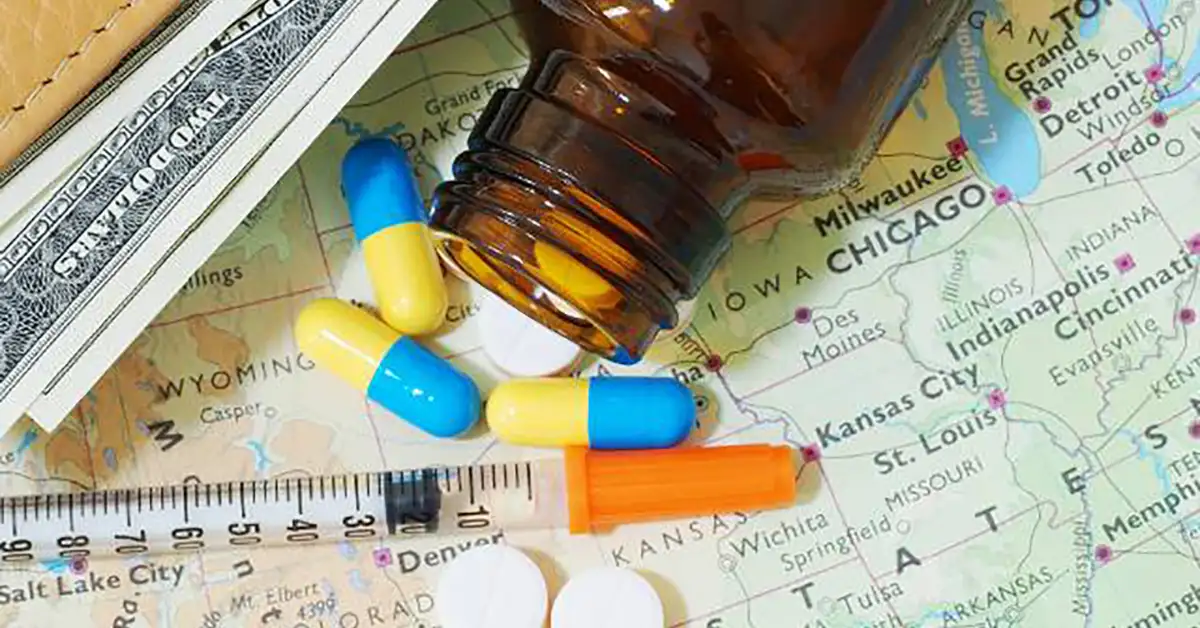
Many items are entirely prohibited or require a special permit in order to avoid health, security and environmental risks. CBP enforces the law for more than 40 other agencies, leading to seizure where the rules are breached.
Prohibited food and agricultural products
Most fresh, dried or canned meat from abroad is prohibited because of the risk of infectious disease. For example, beef from countries with livestock disease outbreaks is refused immediately.
Fresh fruit and vegetables, such as apples or tomatoes, are usually seized because they may carry pests. According to the USDA, a single piece of fruit infested with the Mediterranean fruit fly once caused USD 100 million in damage in the 1980s. Soil, seeds and unprocessed plant products require an APHIS permit.
Weapons and explosives
Personal weapons such as firearms may be brought in temporarily where a CBP Form 4457 certificate is held. However, ammunition and unlicensed weapons are entirely prohibited.
The reason is export control under the Export Administration Regulations (EAR). A breach may lead to seizure and imprisonment.
Restricted medicines and controlled substances
Medicines not approved by the FDA, such as counterfeit or foreign over-the-counter medicines, are prohibited. The FDA prohibits the importation of medicines by US citizens except in a medical emergency.
Narcotics such as drugs or unprescribed smoking paraphernalia are seized. According to the DEA, quantities of controlled medicines must comply with strict schedules in order to prevent abuse.
Animals and animal products
Endangered wildlife, such as ivory or snakeskin, requires an FWS permit. Dog and cat fur is prohibited under the Dog and Cat Protection Act 2000.
Pets such as dogs require rabies vaccination certification. Pet birds from areas with H5N1 influenza outbreaks are temporarily prohibited. Penalties include seizure and 30 days of quarantine at the owner’s expense.
A bullet list of commonly prohibited items:
- Fresh meat or products containing meat (for example: bouillon, packaged soup).
- Fresh fruit from abroad (for example: apples, oranges).
- Unlicensed weapons.
- Medicines not approved by the FDA.
- Products from endangered animals (for example: ivory).
These restrictions protect the US ecosystem from biological invasion.
The reasons for and the legal rules behind items for entry to the United States
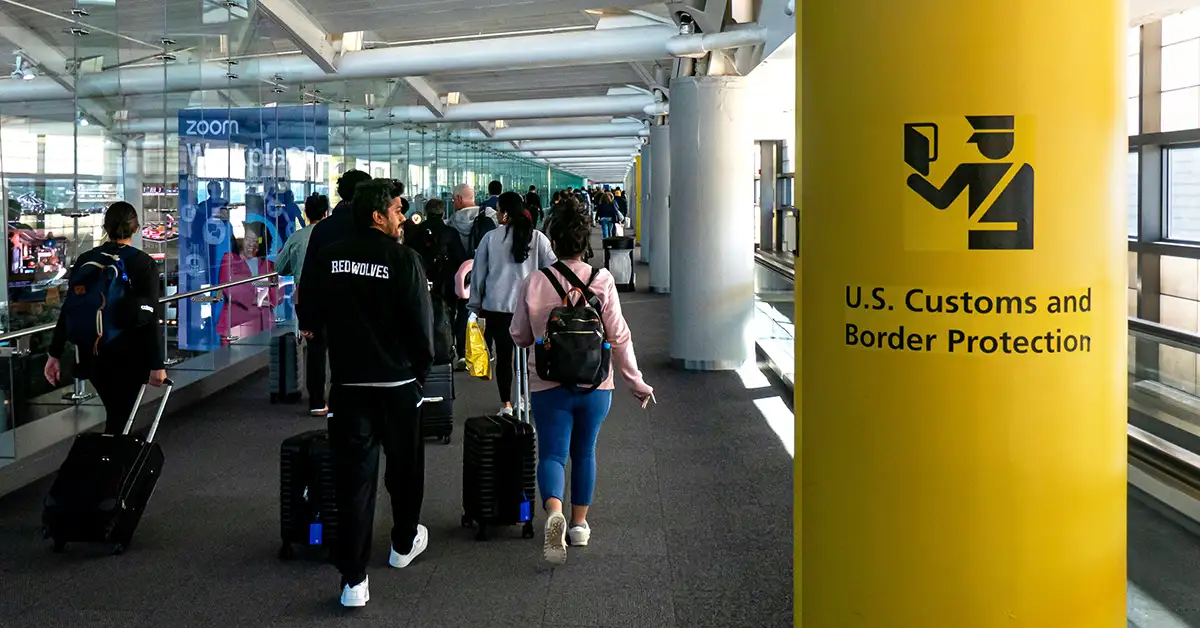
The rules on items for entry to the United States are based on federal law intended to protect national security. CBP works with the USDA, the FDA and the CDC to enforce them.
For example, agricultural foods are prohibited because of pest risk, as in the case of the Mediterranean fruit fly, which caused major economic damage. According toa 2025 CBP report, methamphetamine seizures rose 30% on the previous period, underlining the effort against narcotics.
The fine for failing to declare agricultural products is USD 300 for a first offence, rising to USD 500 subsequently. A serious breach may lead to imprisonment or removal. These rules change according to global circumstances, such as disease outbreaks.
Analysed objectively, these laws balance freedom of travel against protection of the public.Data from DHS for 2022showing the seizure of more than 1.8 million pounds of narcotics demonstrate an effective approach.
Advice for travellers bringing items into the United States
To avoid difficulties, prepare thoroughly. First, check the CBP website and use the APHIS agricultural product search tool.
Declare all items at customs; failing to declare may result in a heavy fine. Keep receipts and original packaging as proof of origin.
For medicines, bring a doctor’s letter and limit quantities to personal use. Avoid bringing fresh food; choose packaged products.
Where bringing a pet, ensure health certification and book quarantine if required. Based on travellers’ experience, compliance saves time.
A numbered list of practical advice:
- Check the rules before the trip atcbp.gov.
- Declare honestly to avoid fines.
- Bring only what is needed, avoiding commercial goods.
- Clean clothing and footwear where they have been in contact with a farm.
- UseGlobal Entryif eligible for faster clearance.
These tips make for a smoother trip.
Conclusion
Understanding items for entry to the United States helps travellers avoid needless mistakes. From food to medicines, everything must comply in order to protect general safety. With data from reputable sources, this article aims to provide useful knowledge. Prepare thoroughly so you can enjoy the United States without worry.
Accompanying you on your journey in residency investment
The Prosperous Living Investment team advises on pathways, assesses profiles and manages investments transparently for every residency, citizenship and international property objective.
Free profile assessmentWhere life gets prosperous