

The United States National Visa Center (NVC)

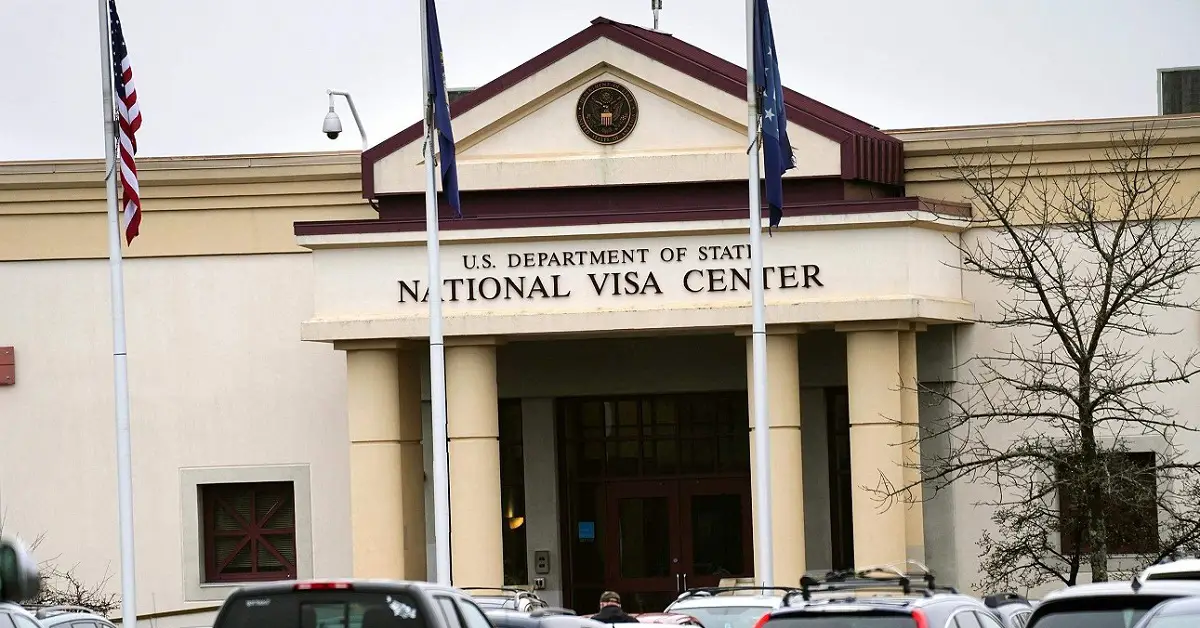
The National Visa Center (NVC) is perhaps one of the most frequently used acronyms you hear on the US immigration journey, particularly where you are applying for a green card from outside the United States through consular processing.
This guide helps you understand what the National Visa Center is and its role in the green card journey in the sections that follow.
Message
What is the National Visa Center (NVC)?
The National Visa Center (NVC) is part of the US Department of State and is based in Portsmouth, New Hampshire. Once United States Citizenship and Immigration Services (USCIS) approves a green card petition (for example Form I-130), USCIS transfers it to the National Visa Center for green card pre-processing.
Importantly, the NVC pre-processes both family-based and employment-based green card applications for applicants living outside the United States.
Considering a residency programme? The Prosperous Living Investment team assesses your profile free of charge and advises on the pathway that fits your goals.
When does a green card application reach the NVC?
The NVC is part of the US Department of State and does not handle the initial approval process for family-based or employment-based green card petitions (for example, Form I-130 or Form I-140).
Instead, you file the petition with USCIS, which decides whether to approve or refuse it. Once the petition is approved and where the applicant is outside the United States, USCIS notifies the NVC that the petition has been approved and green card pre-processing can begin.
Depending on the priority date, the NVC either begins pre-processing the application or waits until the priority date is current (that is, there is no longer a wait). Where the priority date meets the most recent cut-off date in the visa bulletin, or is likely to become current soon, the NVC proceeds.
However, where the priority date does not meet the most recent cut-off date, the NVC notifies you and holds the application until the priority date becomes current or is likely to become current soon. As the priority date draws nearer, the NVC makes contact to begin processing.
Functions
The NVC is designed to reduce the paperwork burden on individual US embassies and consulates and to ensure that only complete applications are sent to them. After USCIS sends the petition to the NVC, the NVC creates a case in the system and assigns a case number, which you can use to check the NVC case status.
Once complete, the NVC sends a Welcome Letter by email or post. This notice includes the case number, the beneficiary ID number and the invoice number. You can use the information from this notice to log in to the Consular Electronic Application Center (CEAC) to check the status, receive notices and manage the case.
Assuming you have no priority date (for example, you are the spouse or child of a US citizen), the next step is to submit form DS-261 (officially called the “Online Choice of Address and Agent”). This is a relatively simple form telling the Department of State how to contact you, and there is no fee to submit it. It may take up to 3 weeks for the NVC to process the DS-261.
After the NVC processes the DS-261, you must pay two required fees online, totalling USD 445: the Department of State’s application processing fee (USD 325) and the financial support form fee (USD 120). However, the application processing fee is USD 345 where you are applying for an employment-based green card.
Once the fees are paid and processed, you can submit the DS-260 online (the immigrant visa application). This is the main green card application for relatives living abroad and is administered by the US Department of State.
After the DS-260 is submitted, the NVC sends a notice by post or email confirming receipt of the DS-260. You then need to submit supporting documents to this agency.
Depending on which US embassy or consulate is processing the application, you upload, email or post all the supporting documents to the NVC. This agency is responsible for gathering all the forms and documents needed to process the green card application and transferring them to the consulate.
It is important to submit these documents in the way the National Visa Center instructs — some US consulates require physical copies, while others allow digital copies to be emailed or uploaded.
The NVC then checks the DS-260 form and the supporting documents, and transfers them to the consulate responsible for scheduling and conducting the immigrant visa interview. The embassy or consulate then makes the final decision on the immigrant visa application after the interview.
Processing times
NVC processing times depend on various factors, including the priority date (where applying for certain green cards), any delays in processing payment, any errors on the forms and whether you have all the required supporting documents.
For general processing timelines, visit NVC Timeframes on the US Department of State website athere.
Contact
The NVC no longer responds to requests sent by post, so you can only make contact by telephone or by using thePublic Inquiry Form.
For up-to-date contact information for the National Visa Center, see the contact information on the US Department of State website athere.
Frequently asked questions
Yes, it is usually faster because US citizens are not affected by priority dates for immediate relatives (for example, a spouse or child). However, they are still subject to priority dates for non-immediate relatives, such as parents or siblings.
Where you have applied for a family-based green card and the sponsor subsequently becomes a US citizen before the priority date, they may submit evidence of citizenship to the NVC to update the visa category. Scan and save one of the following as a PDF or JPG file and send it as an attachment to thePublic Inquiry Formof the US Department of State:
A copy of the naturalisation certificate
A copy of the biographical data page of the US passport
No, you use the NVC only where you are applying for a green card and are outside the United States. Where you are in the United States and wish to adjust status (for example, from a K-1 visa to a green card), USCIS handles the entire process through adjustment of status (AOS).
Find out more aboutAdjustment of status (AOS).
Accompanying you on your journey in residency investment
The Prosperous Living Investment team advises on pathways, assesses profiles and manages investments transparently for every residency, citizenship and international property objective.
Free profile assessmentWhere life gets prosperous