
Vietnam
Vietnam Golden Visa: the legal framework and the outlook for a golden visa programme
As of mid-2026, Vietnam still has no Golden Visa. The golden-visa model is held back by land-law barriers,…


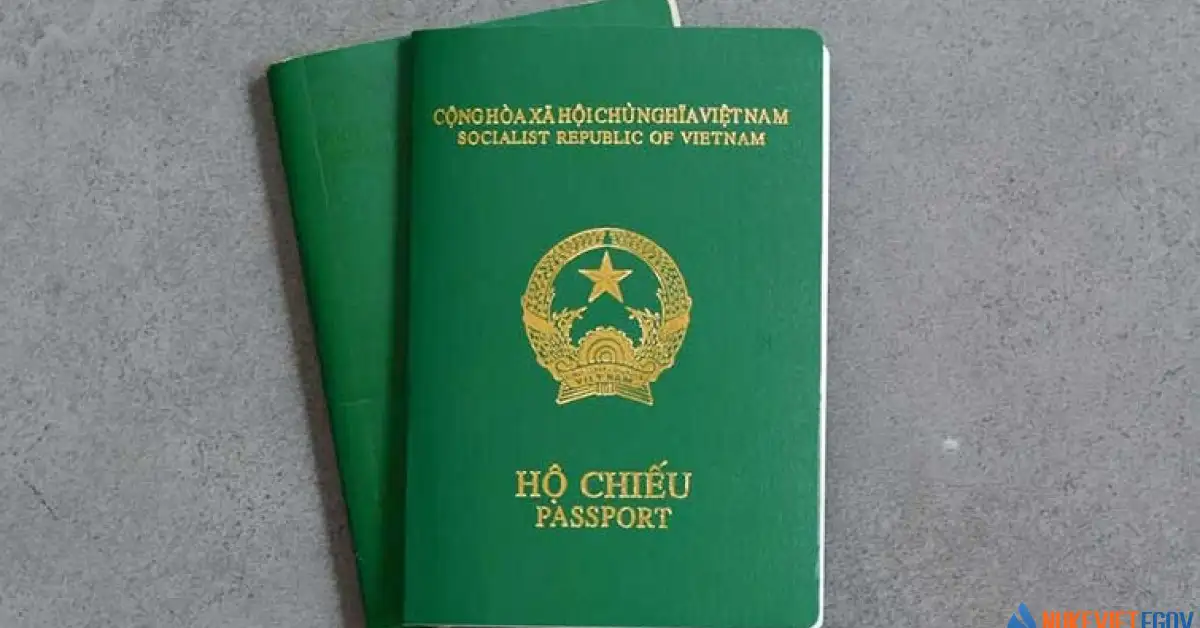
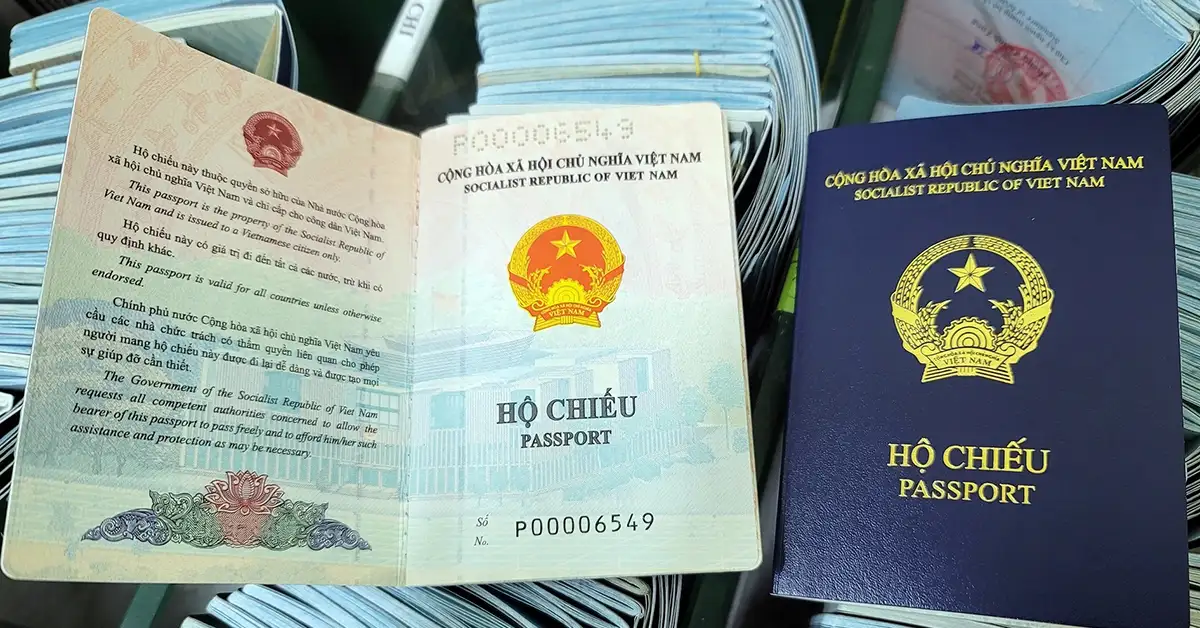
The Vietnamese passport is seeing positive changes in global rankings, according to reports from Henley & Partners. In 2025, the Vietnamese passport at times jumped to higher positions, reflecting Vietnam’s efforts to improve international relations.
According to the Henley Passport Index, this index assesses passport strength based on the number of countries citizens can visit without a prior visa.
The latest report from Henley & Partners shows that the Vietnamese passport currently ranks 92nd, with access to 50 destinations without a visa or with visa-on-arrival.
These figures not only demonstrate progress but also suggest that Vietnam is integrating more deeply into the international community. However, volatility throughout the year requires close monitoring to understand trends.
Objectively analysed, the rise of the Vietnamese passport is the result of bilateral and multilateral agreements. This brings practical benefits to Vietnamese citizens, so let’s explore the details in this article.
The Henley Passport Index is the world’s most prestigious ranking of passport strength, based on data from the International Air Transport Association (IATA). Updated quarterly, this index has tracked the Vietnamese passport over many years. In 2024, the Vietnamese passport ranked around 90th, with access to 55 destinations.
Entering 2025, there was a significant improvement. According to the Q3 2025 report (dated 23 July 2025), the Vietnamese passport jumped 7 places to 84th, with 55 visa-free or visa-on-arrival destinations.
This rise was noted by Henley & Partners as one of the notable advancements in Southeast Asia. However, by Q4 2025 (updated 15 October 2025), the position fell to 92nd, with 50 destinations.
The reason for this volatility may relate to changes in global visa policies. Even so, the overall year of 2025 shows that the Vietnamese passport has maintained its momentum of improvement compared to the previous decade. According to historical data from Henley & Partners, from 2015 to 2025, the Vietnamese passport has risen from 95th to its current level, thanks to agreements with Asian and European countries.
These figures demonstrate that the Vietnamese passport is growing stronger. For instance, compared with 2020 (ranked 90th with 54 destinations), 2025 shows stability and growth potential.
Find out more about the Passport Index at Henley & Partners at here.
Considering a residency programme? The Prosperous Living Investment team assesses your profile free of charge and advises on the pathway that fits your goals.
Below is a summary of the historical rankings of the Vietnamese passport according to the Henley Passport Index:
| Year | Rank | Number of visa-free or visa-on-arrival destinations | Endorsements |
|---|---|---|---|
| 2020 | 90 | 54 | Impact of the COVID-19 pandemic |
| 2024 | 90 | 55 | Stable following economic recovery |
| 2025 (Q3) | 84 | 55 | Rose seven places thanks to new agreements |
| 2025 (Q4) | 92 | 50 | Temporary decrease due to global adjustments |
These data points, sourced from the official Henley & Partners records, highlight long-term progress.
The rise of the Vietnamese passport in the third quarter of 2025 is the result of active diplomatic efforts. Vietnam has signed multiple visa-free agreements with various countries, particularly in Asia and Africa. According to the Ministry of Foreign Affairs of Vietnam, additional agreements were concluded in 2025 with countries such as the Philippines and several African nations, increasing the number of accessible destinations.
Henley & Partners analyses that factors such as political stability and economic growth contribute to passport strength. Vietnam, with GDP growth of 6.5% in 2024 according to the World Bank, has become a more reliable partner. Furthermore, participation in free trade agreements such as the CPTPP and EVFTA has indirectly enhanced the standing of the Vietnamese passport.
However, the drop in rank during the fourth quarter may be due to other countries improving at a faster pace, with Singapore maintaining first place with 195 destinations. Objectively analysed, the Vietnamese passport still needs improvement to compete with neighbours such as Thailand (ranked 60th with 82 destinations).
These arguments, based on data from independent organisations, indicate that the future of the Vietnamese passport is bright if open-door policies continue.
The main reasons include:
These factors clearly explain the upward movement of the Vietnamese passport.
With the upgrade of the Vietnamese passport, Vietnamese citizens can travel freely to more countries without complex procedures. This brings economic benefits such as saving time and visa application costs (approximately US$50-200 per application). According to Henley & Partners, holders of stronger passports enjoy a 30% higher chance of business and tourism opportunities.
For example, with 50 visa-free destinations, Vietnamese travellers can easily visit Singapore, Thailand or Indonesia without bureaucratic hurdles. This encourages many entrepreneurs to choose Vietnam as a base, boosting foreign investment. Additionally, Vietnamese international students and overseas workers benefit from easier mobility.
Objectively analysed, this upgrade helps Vietnam integrate into globalisation. According to the World Tourism Organization (UNWTO), outbound tourism from Vietnam grew by 15% in 2024, supported by a stronger passport.
List of selected visa-free destinations:
These options make the Vietnamese passport more attractive.
Compared with other Southeast Asian countries, the Vietnamese passport holds a mid-tier position. Singapore leads the world in first place with access to 195 countries. Malaysia ranks 12th with 183 destinations, while Thailand ranks 60th.
According to the Henley Passport Index 2025, the Vietnamese passport surpasses Cambodia (ranked 93rd with 49 destinations) but trails Indonesia (ranked 70th with 78 destinations). This disparity is due to other countries securing a greater number of agreements.
It is argued that to climb the rankings, Vietnam must learn from Singapore and its decisive open-door policies. Data from Henley & Partners shows that Asian countries such as Japan (ranked second with 193 destinations) succeed through proactive diplomacy.
Southeast Asian passport comparison table:
| Country | Global rankings | Number of destinations (visa-free plus visa-on-arrival) | Endorsements |
|---|---|---|---|
| Singapore | 1 | 193 | Global leader, strong in Europe and the Americas |
| Malaysia | 12 | 183 | Strong in Asia and Africa |
| Brunei | 20 | 167 | Rank improved thanks to regional agreements |
| Thailand | 60 | 82 | Focused on Asian tourism |
| Timor-Leste | 52 | 94 | Slow but steady improvement |
| Indonesia | 70 | 78 | Strong within ASEAN |
| Philippines | 79 | 69 | Focused on Asia and Oceania |
| Vietnam | 92 | 50 | Rose in quarters three and four with strong potential |
| Cambodia | 88 | 54 | Requires improvement |
| Laos | 90 | 52 | Focused on regional borders |
| Myanmar | 95 | 48 | Lowest in the region due to political instability |
This table demonstrates that the Vietnamese passport holds significant potential.
The future of the Vietnamese passport is promising with new agreements on the horizon. According to the Ministry of Foreign Affairs, Vietnam is currently negotiating visa exemptions with additional European nations. Henley & Partners forecasts that if this momentum is maintained, the Vietnamese passport could reach the 80th rank by 2030.
It is recommended that citizens check updates on the official website of the Ministry of Foreign Affairs. At the same time, the government needs to pursue active diplomacy to raise the country’s ranking. Objectively speaking, this will deliver long-term economic benefits.
In summary, the Vietnamese passport has been rising in the rankings, opening up new opportunities for citizens.
The Vietnamese passport continues to assert its position on the global index despite fluctuations. Based on data from the Henley Passport Index, this progress shows that Vietnam is deepening its integration. Citizens should take advantage of this to explore the world.
As of mid-2026, Vietnam still has no Golden Visa. The golden-visa model is held back by land-law barriers,…
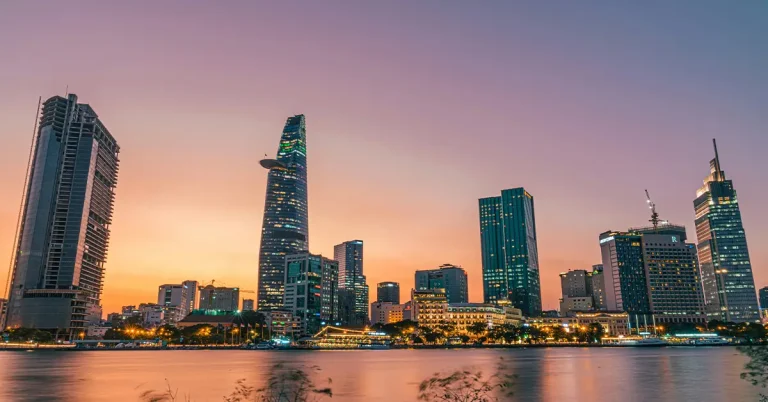
Vietnam scores 68.9 points and ranks 16th globally in the Economic Opportunity pillar of the World Citizenship Report…
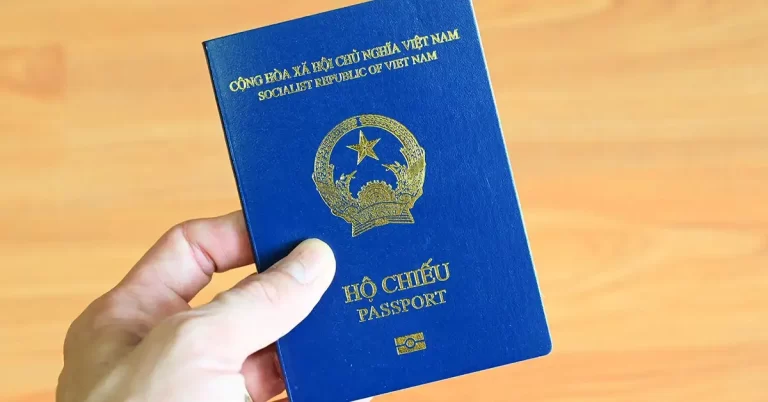
Under UV light, the Vietnamese passport reveals stunning heritage images. Discover the beauty and hidden security features within…
The Prosperous Living Investment team advises on pathways, assesses profiles and manages investments transparently for every residency, citizenship and international property objective.
Free profile assessmentWhere life gets prosperous
We use analytics cookies (Google Analytics) to understand how this site is used. They stay off until you agree. Privacy policy.