

The United States financial system


The United States financial system is the most complex and largest machine in the world, playing a central role in the global economy. For Vietnamese people living, working, or investing in this country, understanding how banks, the credit system, and capital markets operate is a vital skill for effective financial management. From opening a bank account and building a credit score to participating in investment markets, every aspect has its own rules that must be mastered. This article provides a comprehensive analysis of the system’s structure and operation.
Message
Overview of the United States financial system
The United States financial system consists of many closely linked components, from the central bank and commercial banks to the stock market and other financial institutions. Together, they create a network that manages a massive flow of capital.
At the head of the system is the Federal Reserve, which acts as the central bank. This agency conducts monetary policy, controls interest rates, and oversees the stability of the entire national banking system.
In addition, there are thousands of commercial banks, insurance companies, investment funds, and other financial institutions. This diversity and scale mean the system offers many choices while requiring users to understand it clearly to use it effectively. For new arrivals from Vietnam, becoming familiar with how it works is an important first step.
Considering a residency programme? The Prosperous Living Investment team assesses your profile free of charge and advises on the pathway that fits your goals.
The banking system and opening an account
Banking is the starting point for every financial transaction in this system. Opening a bank account is one of the first things new arrivals need to do to manage their money and build a financial history.
The banking system here includes large national banks, regional banks, and credit unions. Each type has its own advantages and disadvantages regarding fees, services, and branch networks. Users should compare them carefully before choosing.
Common types of accounts
The two most basic types of accounts are checking accounts and savings accounts:
- Checking accounts are used for daily transactions, bill payments, and flexible withdrawals
- Savings accounts are used for accumulating funds and earning interest, but they limit the number of withdrawals
To open an account, new arrivals usually need identification, a Social Security number or an Individual Taxpayer Identification Number, and a residential address. Some banks have more flexible policies for new foreign arrivals who do not yet have sufficient documentation.
The credit system and credit scores
One of the most important features of the United States financial system is the central role of the credit score. This is an index that evaluates the financial credibility of each individual and has a profound impact on life.
A credit score is calculated based on borrowing and repayment history, credit utilisation, and many other factors. The higher the score, the easier it is to access loans with preferential interest rates.
A credit score not only affects the ability to borrow money but also impacts renting a home, purchasing insurance, and even certain job opportunities. Therefore, building and maintaining a good credit score is a top priority for every resident.
How to build credit for new arrivals
For new arrivals from Vietnam, starting from zero regarding credit is a common challenge. Credit history in Vietnam is not recognised, so it must be built from scratch.
A common method is to start with a secured credit card, using a deposit as the limit. Using the card regularly and paying on time helps accumulate a positive credit history over time. Patience and financial discipline are the keys during this phase.
Capital markets and investment
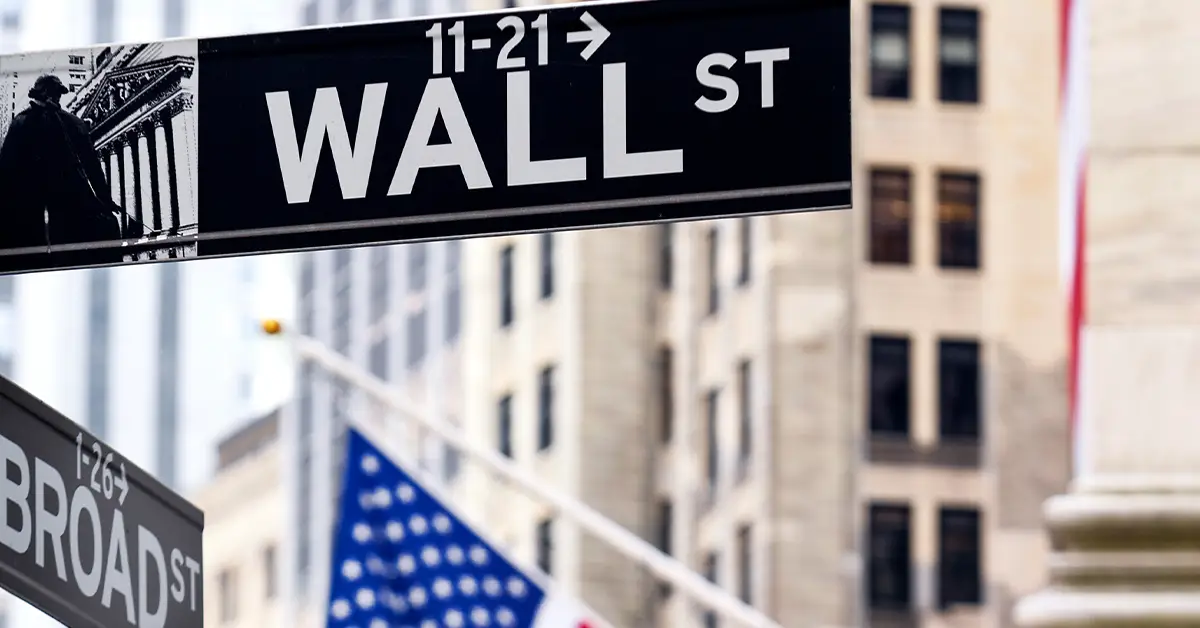
The capital market is an important pillar of the national financial system, where the buying and selling of stocks, bonds, and other financial instruments take place. This is the largest and most liquid market in the world.
The stock market, with its major exchanges, is where investors buy and sell shares of listed companies. In addition, the bond market allows the government and businesses to raise capital through the issuance of debt.
For individuals, there are many different investment channels, from buying stocks directly and investing through mutual funds to tax-advantaged retirement accounts. Each channel has different levels of risk and profit potential, requiring investors to research thoroughly before participating. Note that this article provides only a general overview and is not specific investment advice.
The role of the Federal Reserve
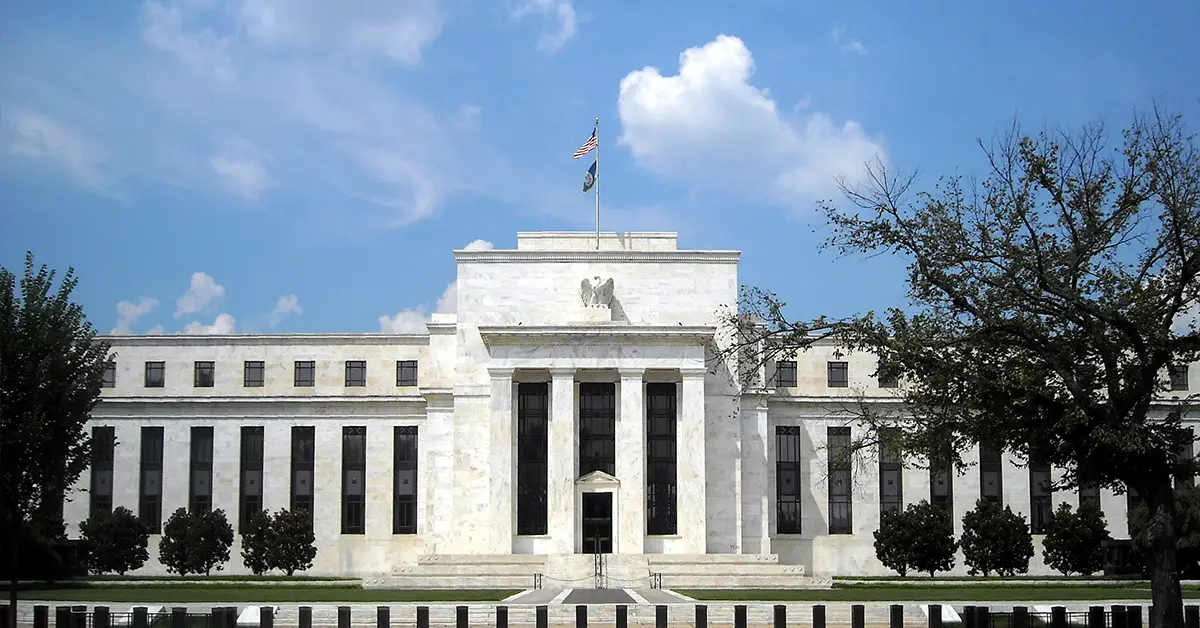
To fully understand the national financial picture, one cannot ignore the role of the Federal Reserve, often called the Fed. This is the central bank, which plays a key regulatory role for the entire economy.
According to information from The Federal Reserve (Federal Reserve), this agency has a dual mandate to maintain maximum employment and stable prices. To achieve these goals, the Fed uses monetary policy tools, the most important of which is adjusting interest rates.
When the Fed changes interest rates, the impact ripples through every aspect of financial life, from mortgage rates and credit card interest to savings yields. Therefore, following the Fed’s decisions helps individuals and families plan their finances more effectively, especially when taking out a mortgage or investing.
Insurance and financial products
Insurance is an important part of the personal financial picture in this country. People often use many types of insurance to protect themselves against health, property, and life risks.
Health insurance is the most essential type because medical costs are very high. In addition, car insurance, home insurance, and life insurance are also common. Many types of insurance are mandatory by law or required by lenders when buying a home or car.
Understanding and choosing the right insurance products helps families protect their finances against unexpected events. For new arrivals from Vietnam, this is a concept to get used to because the insurance culture here is much more developed than back home. Choosing a package that fits your needs and budget is an important skill to acquire early.
Retirement planning and long-term savings
Retirement planning is a characteristic feature of the financial culture in this country. People often start saving for old age very early through tax-advantaged retirement accounts.
Common retirement accounts allow employees to contribute a portion of their income, enjoy tax benefits, and invest for growth over time. Many employers also contribute to their employees’ retirement accounts as a benefit.
Utilising these tools as early as possible helps accumulate significant savings thanks to the power of compound interest over many years. For Vietnamese people settling long-term, participating in the retirement system from the moment they start working is a wise financial strategy, ensuring security for their later retirement years.
Besides understanding the system’s structure, personal financial management skills are essential for financial success. New arrivals from Vietnam need to become familiar with local financial habits and tools.
Budgeting, tracking cash flow, and building an emergency fund are fundamental yet essential principles. A culture of widespread credit card usage requires discipline to avoid falling into high-interest debt.
Furthermore, long-term planning for retirement and children’s education should begin early to take advantage of tax-advantaged accounts. For those with assets in both Vietnam and the United States, coordinating cross-border financial management requires even greater caution and professional advice. Sound financial management is the foundation for long-term stability and prosperity.
Personal financial management for Vietnamese people
Besides understanding the system’s structure, personal financial management skills are essential for financial success. New arrivals from Vietnam need to become familiar with local financial habits and tools.
Budgeting, tracking cash flow, and building an emergency fund are fundamental yet essential principles. A culture of widespread credit card usage requires discipline to avoid falling into high-interest debt.
Furthermore, long-term planning for retirement and children’s education should begin early to take advantage of tax-advantaged accounts. For those with assets in both Vietnam and the United States, coordinating cross-border financial management requires even greater caution and professional advice. Sound financial management is the foundation for long-term stability and prosperity.
Conclusion: Mastering finance for successful settlement
The United States financial system is complex, yet it provides a full range of tools for individuals to manage and grow their wealth. Understanding banking, credit scores, and capital markets is the foundation for building a secure financial life.
For Vietnamese people, the two top priorities upon arrival are opening a bank account and beginning to build a credit score. These are the first building blocks that open up access to loans, home ownership, and many other financial opportunities.
Practical advice is to start early, maintain financial discipline, and continuously learn about local tools. To complete the picture, you should learn more about taxes in the United States and an overview life in the United States to best prepare for your immigration journey.
Accompanying you on your journey in residency investment
The Prosperous Living Investment team advises on pathways, assesses profiles and manages investments transparently for every residency, citizenship and international property objective.
Free profile assessmentWhere life gets prosperous