

Consular Processing EB-5 in Ho Chi Minh City: the process and interview at the US Consulate General

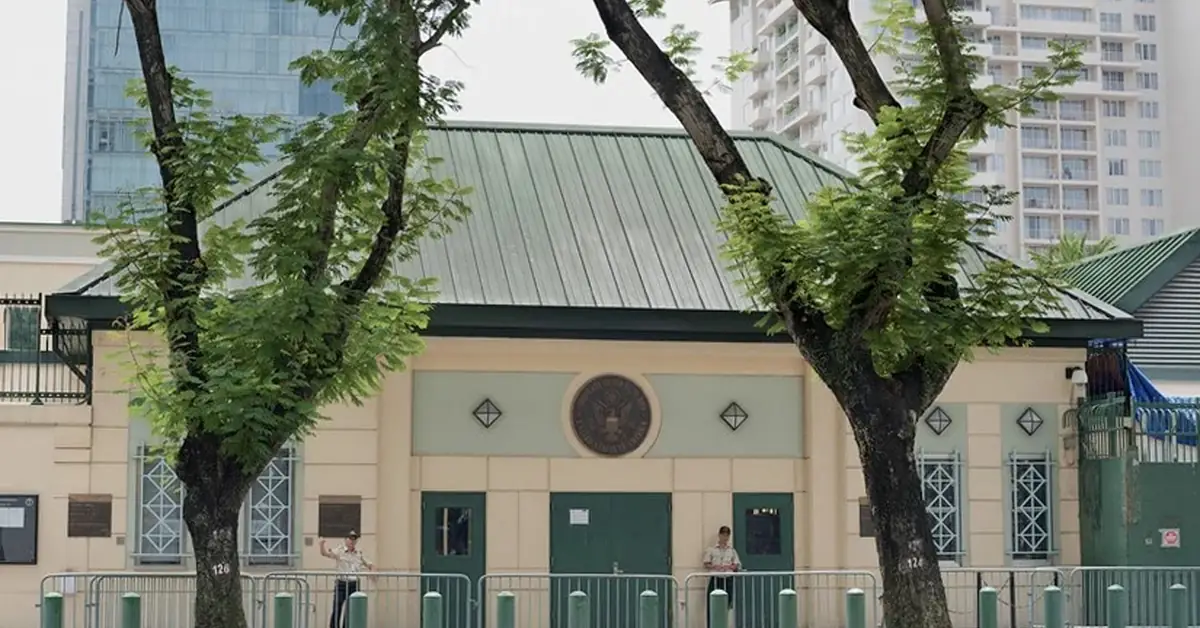
Consular Processing EB-5 in Ho Chi Minh City is the consular process for investors in Vietnam receiving an immigrant visa through theVisa EB-5. It is the default route for most EB-5 cases from Vietnam, because an investor must be in the United States on a valid visa to choose the alternative of adjustment of status (AOS).
The process involves coordination between three agencies:U.S. Citizenship and Immigration Services (USCIS)approves the I-526E or I-526, the National Visa Center (NVC) of the US Department of State handles the intermediate processing, and the US Consulate General in Ho Chi Minh City conducts the visa interview. The total time from I-526E approval to receiving the immigrant visa averages 6–12 months, with mandatory requirements for documents, a medical examination and online appointment registration.
Message
When Consular Processing EB-5 in Ho Chi Minh City applies
Consular Processing EB-5 in Ho Chi Minh City applies to two main groups of investors. The first is investors living in Vietnam when the I-526E or I-526 is approved. This group makes up the majority of EB-5 cases from the Vietnamese market, as most investors have not yet moved to the United States while preparing the petition and during I-526E adjudication.
The second is investors in the United States who are not eligible for AOS — for example, their current visa has expired, or a previous immigration violation has cost them AOS eligibility. In this case, the investor can return to Vietnam and go through Consular Processing.
For EB-5 families, each member (spouse and unmarried children under 21) must go through their own consular process, even though they are scheduled for an interview on the same day as the principal investor. This means every step, from the DS-260 and fee payment to the medical examination, must be completed for each person.
Considering a residency programme? The Prosperous Living Investment team assesses your profile free of charge and advises on the pathway that fits your goals.
Overview of the 6 steps in Consular Processing EB-5 in Ho Chi Minh City
The complete process consists of six consecutive steps, taking an average of 6–12 months from I-526E approval to receipt of the immigrant visa.
- Step 1: USCIS transfers the approved case from the Immigrant Investor Program Office (IPO) to the NVC.
- Step 2: The NVC creates a case number and sends a welcome letter with instructions for the DS-260.
- Step 3: The investor pays the fees through the CEAC system and completes a DS-260 for each family member.
- Step 4: The NVC reviews the documents and confirms the case is “documentarily complete”.
- Step 5: The NVC schedules the interview at the US Consulate in Ho Chi Minh City and sends an appointment letter.
- Step 6: Immigration medical examination, online appointment registration, interview and visa issuance.
Each step has its own document requirements and deadlines, and a mistake at any step can push the whole roadmap back by several months.
Steps 1–2: Transfer of the case from USCIS to the NVC
Once USCIS approves the I-526E or I-526, the IPO transfers the approved case to the NVC within 4–8 weeks. This is an internal stage between the two agencies, and the investor does not need to do anything.
When the NVC receives the case, it creates a case number (in the format “HCM” plus a string of digits for cases processed in Ho Chi Minh City) and an Invoice ID. The NVC emails a welcome letter to the investor or their representative lawyer, with instructions for accessing the Consular Electronic Application Center (CEAC) and submitting the DS-260.
The welcome letter also asks the investor to pay two basic fees through CEAC: the immigrant visa processing fee of $345 USD per person and the Affidavit of Support fee of $120 USD (if applicable — usually not for EB-5, since sufficient investment capital has already been proven). In addition, once the visa is issued, each person must pay the USCIS Immigrant Fee of $220 USD before receiving the green card.
Step 3: Completing the DS-260 and submitting documents
The DS-260 (Application for Immigrant Visa and Alien Registration) is the mandatory online application for every Consular Processing EB-5 case in Ho Chi Minh City. Each family member — including children under 21 — must have their own DS-260.
The DS-260 includes sections on personal information, residence history for the last 5 years, employment history for the last 5 years, international travel history for the last 5 years, US visa history, family information, financial information and, notably, social media accounts for the last 5 years.
A common mistake among Vietnamese investors is failing to fully declare their social media accounts (Facebook, Instagram, TikTok, LinkedIn, X/Twitter). Under the latest US Department of State rules, every account used in the last 5 years must be declared, including accounts that are no longer used or have been deleted.
After submitting the DS-260, the investor uploads all civil documents through CEAC: passports, birth certificates, marriage certificate, Vietnamese criminal record certificates, criminal record certificates from countries where they lived for more than 6 months, and any other supporting documents. Files must be in PDF, JPEG or JPG format and under 4 MB each.
Step 4: NVC review and “documentarily complete”
Once the DS-260 is submitted and all documents are uploaded, the NVC begins its review. According to actual 2026 data, NVC review takes 2–6 months depending on the complexity of the case and the NVC’s workload at the time.
During this stage, the NVC may request additional documents or clarification by email. A quick and complete response is decisive for keeping the case on schedule. Every request must be answered within 1 year under INA 203(g) — after this deadline, the NVC will terminate the case.
When the NVC confirms the documents are complete, the case is marked “documentarily complete” in the CEAC system. This is an important milestone — the NVC begins scheduling the interview at the US Consulate in Ho Chi Minh City based on Visa Bulletin status and the consulate’s appointment availability.
Step 5: The NVC schedules the interview at the US Consulate in Ho Chi Minh City
The NVC works with the US Consulate in Ho Chi Minh City to schedule interviews on a FIFO (first in, first out) basis for documentarily complete cases. Using the US Department of State’s IV Scheduling Status Tool, families can look up the expected interview wait time at each consular post.
The NVC emails the appointment letter about 2–3 months before the interview date. The email contains the date, time and address of the interview (4 Le Duan, District 1, Ho Chi Minh City) and a list of original documents to bring.
An important rule in force from 04/05/2026: investors must complete online appointment registration at usvisascheduling.com at least 5 business days before the interview date. According tothe official announcement from the US Consulate General in Ho Chi Minh City on the registration process, any investor who has not completed this registration step will be refused entry at the gate and must reschedule.
Online registration also requires updating the visa delivery address and contact phone number via the bit.ly/iv-delivery link provided by the Consulate.
Step 6: Medical examination and consular interview
Mandatory immigration medical examination
Before the interview date, every member of the EB-5 family must complete an immigration medical examination at one of three medical facilities designated by the US Department of State:
- Cho Ray Hospital (CRH) – Visa Examination Department, 201B Nguyen Chi Thanh, District 5, Ho Chi Minh City. Phone: (84-28) 3856 5703.
- IOM (International Organization for Migration) Ho Chi Minh City – 1B Pham Ngoc Thach, District 1, Ho Chi Minh City. Phone: (84-28) 3822 2057.
- IOM Hanoi – for families in the north, who can choose to be examined in Hanoi while still being interviewed in Ho Chi Minh City.
Medical results are valid for 6 months from the date of the examination. The medical records are sealed and brought to the interview unopened. Examination and test fees are paid directly to the medical facility, not through the NVC. Indicative fees in 2026 range from $250–450 USD per person depending on age and required tests.
The interview process at the Consulate
On the interview day, the family arrives at the US Consulate General in Ho Chi Minh City (4 Le Duan, District 1) 30 minutes early. The process at the Consulate follows a fixed sequence:
- Security check at the gate: present the appointment letter, passport, DS-260 confirmation page and Address Registration Confirmation Page.
- Preliminary document check with Consulate staff: hand over all originals and copies of civil documents, criminal record certificates and medical records.
- Fingerprinting: mandatory for every family member aged 14 or over.
- Payment of any outstanding fees: bring cash in USD or a credit card.
- Interview with a US consular officer: the most important part, lasting 15–45 minutes.
According to official guidance from the US Consulate General in Ho Chi Minh City on interviews, officers are trained to interview in Vietnamese. If the investor does not understand English, they can ask for help from a local Consulate interpreter. For EB-5 cases, the officer focuses on verifying the source of funds, the investment project and the purpose of immigration.
Common EB-5 interview questions at the US Consulate in Ho Chi Minh City
The EB-5 interview has no fixed set of questions, but based on the real-world experience of immigration lawyers with cases in Ho Chi Minh City, the following six groups of questions come up often.
Group 1 — Questions about the source of funds: where the investment capital came from, what business you run, revenue, profits, whether you have paid Vietnamese taxes in full, and whether any loans or gifts form part of the investment.
Group 2 — Questions about the investment project: what the project is, where it is in the United States, which type it is (Rural, High Unemployment, Infrastructure orUnreserved), which regional centre runs it, and who the project development partner is.
Group 3 — Questions about settlement plans: which US state the family plans to live in, whether you already have property or relatives in the United States, career plans after settling, and the children’s schooling plans.
Group 4 — Questions about family relationships: information about your spouse and children, when you married, whether you have been married before, and your current relationship with family in Vietnam.
Group 5 — Questions about residence and travel history: whether you have been to the United States, whether you have ever been refused a US visa, which countries other than Vietnam you have lived in, and whether you hold a second nationality.
Group 6 — Questions about legal history: whether you have a criminal record in Vietnam or any other country, whether you have been involved in any political or military organisation, and whether you have any tax or personal financial issues.
Thorough preparation for each group of questions and the ability to answer consistently with the DS-260 already submitted are the key factors in the outcome of the interview.
After the interview — visa issuance and entry into the United States
If all goes well (with no unusual issues), the consular officer announces “approved” right after the interview. The passport is kept at the Consulate to be stamped with the EB-5 immigrant visa and is usually sent to the registered address within 7–14 days through the courier service chosen by the investor.
Along with the visa, the investor receives a sealed envelope called a “visa packet” — containing documents to hand to the customs officer at the first port of entry. This envelope must NOT be opened before entry.
Before entering the United States, the investor must pay the USCIS Immigrant Fee of $220 USD per person on the USCIS website. This is not a visa fee but a green card processing fee — only once it is paid does USCIS send the conditional green card to the US address.
The EB-5 immigrant visa is valid for 6 months from the date of issue. The investor must enter the United States within this period; otherwise the visa expires and they must reapply from scratch. At the port of entry, the customs officer stamps an I-551 in the passport — this is official conditional permanent resident status. The physical green card is sent to the registered address within 4–6 weeks.
Comparing Consular Processing EB-5 in Ho Chi Minh City with AOS
For investors who can choose between the two routes, three fundamental differences help with the decision.
On timing, Consular Processing usually takes 6–12 months from I-526E approval to receiving the visa, plus 4–6 weeks waiting for the green card after entry. AOS with Concurrent Filing can be 3–6 months faster thanks to adjudication running in parallel with the I-526E.
On interim benefits, Consular Processing does not grant an EAD or Advance Parole during the wait — the investor stays in Vietnam and has no legal status in the United States until entering on the immigrant visa. AOS through Concurrent Filing grants an EAD and Advance Parole within the first 2–6 months, allowing the investor to work freely in the United States while the I-485 is pending.
On document complexity, Consular Processing is simpler than AOS in terms of paperwork — no sealed I-693 from a US Civil Surgeon and no I-864 financial declaration are needed. In return, the file must include a Vietnamese criminal record certificate and an in-person interview at the consulate.
For most Vietnamese investors who are in Vietnam when their EB-5 petition is approved, Consular Processing EB-5 in Ho Chi Minh City is the default and appropriate route. Careful preparation of the DS-260, completing online appointment registration under the new rules from May 2026, and rehearsing interview questions are the three factors that ensure the interview at 4 Le Duan goes smoothly and the immigrant visa is issued on schedule.
Accompanying you on your journey in residency investment
The Prosperous Living Investment team advises on pathways, assesses profiles and manages investments transparently for every residency, citizenship and international property objective.
Free profile assessmentWhere life gets prosperous