

Canada
Canada suspends citizenship by descent certificates issued under Bill C-3
IRCC has suspended some citizenship-by-descent certificates issued under Bill C-3 and requested their return, over concerns about the…


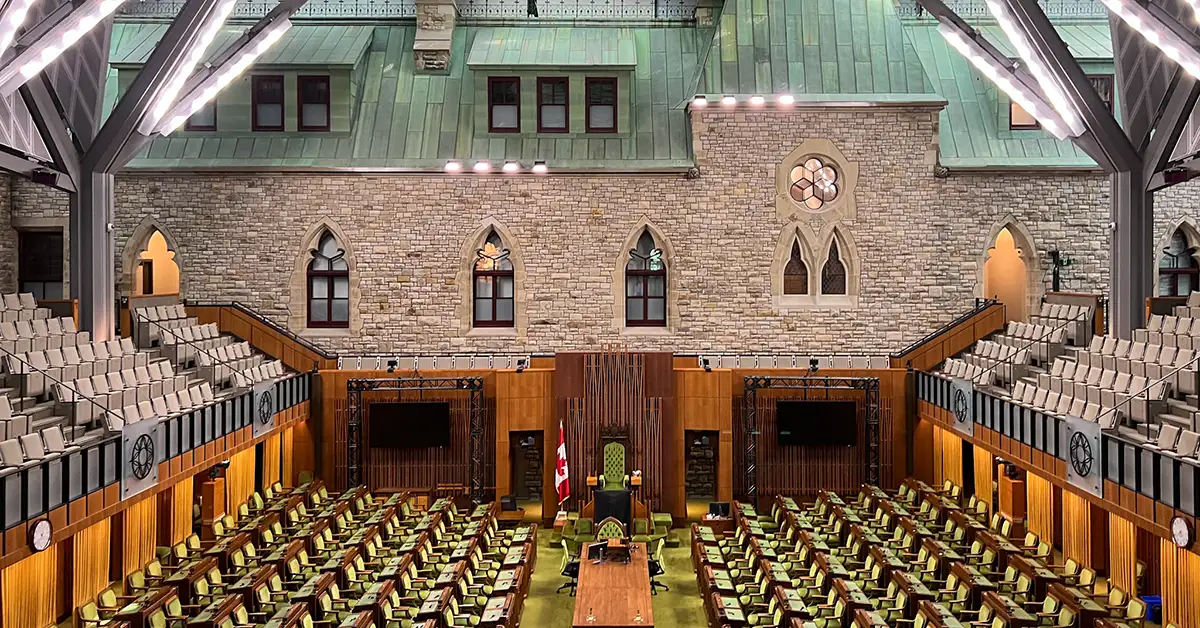
A major immigration bill currently undergoing its third reading in the Canadian Senate has just been supplemented with two key amendments: one aimed at protecting the privacy of permanent residents and Canadian citizens, and another aimed at increasing oversight of proposed restrictions on asylum applications.
The Senate has passed an amendment proposed by Senator Paulette Senior aimed at protecting the privacy of Canadian citizens and permanent residents by exempting them from the expanded information-sharing provisions in the bill. Under these provisions, immigration authorities would be permitted to share personal information with other agencies.
A second amendment was also passed by the Senate, requiring the government to present reports on asylum applications deemed ineligible because they were filed more than 1 year after the applicant entered Canada.
As of the time of this publication, the Senate is continuing its debate on the bill, and senators may propose further amendments at the next session, scheduled for 11 March 2026.
If the bill passes its third reading in the Senate, as it has been amended, it will be sent back to the House of Commons and must pass three more readings before it can become law.
Considering a residency programme? The Prosperous Living Investment team assesses your profile free of charge and advises on the pathway that fits your goals.
This bill is considered to contain the most significant immigration reforms in the last 20 years.
Bill C-12, titled in full the “Act respecting certain measures regarding Canada’s border security, the integrity of Canada’s immigration system and other related security measures,” will grant the government broad executive powers.
If the bill becomes law, the Governor in Council will have the power to suspend the intake of immigration applications for processing, as well as to suspend or terminate the processing of immigration applications. This body will also have the authority to cancel, vary, or suspend immigration documents such as permanent resident cards, work permits, and study permits, and to impose conditions on temporary residents.
The exercise of these powers is limited by the bill to situations deemed to be in the public interest, which the bill defines as matters related to “administrative error, fraud, public health, public safety or national security.”
Bill C-12 also includes numerous reforms to Canada’s asylum system, including: a ban on asylum applications filed more than 1 year after the applicant entered Canada; and a ban on asylum applications from individuals who have entered Canada illegally from the United States.
Bill C-12 follows other acts passed under the Carney government, which also granted broad powers to the executive branch. A prime example is Bill C-5, which allows the Governor in Council to fast-track the approval of selected “national interest projects” such as oil pipelines, mineral mines, power plants, and railways.
IRCC has suspended some citizenship-by-descent certificates issued under Bill C-3 and requested their return, over concerns about the…

On 21 May 2026, Prince Edward Island issued 114 PNP invitations through the Labour Impact and Express Entry…

Alberta issued 1,051 AAIP invitations between 1 and 13 May 2026 across four draws, prioritising healthcare, technology and…
The Prosperous Living Investment team advises on pathways, assesses profiles and manages investments transparently for every residency, citizenship and international property objective.
Free profile assessmentWhere life gets prosperous
We use analytics cookies (Google Analytics) to understand how this site is used. They stay off until you agree. Privacy policy.