


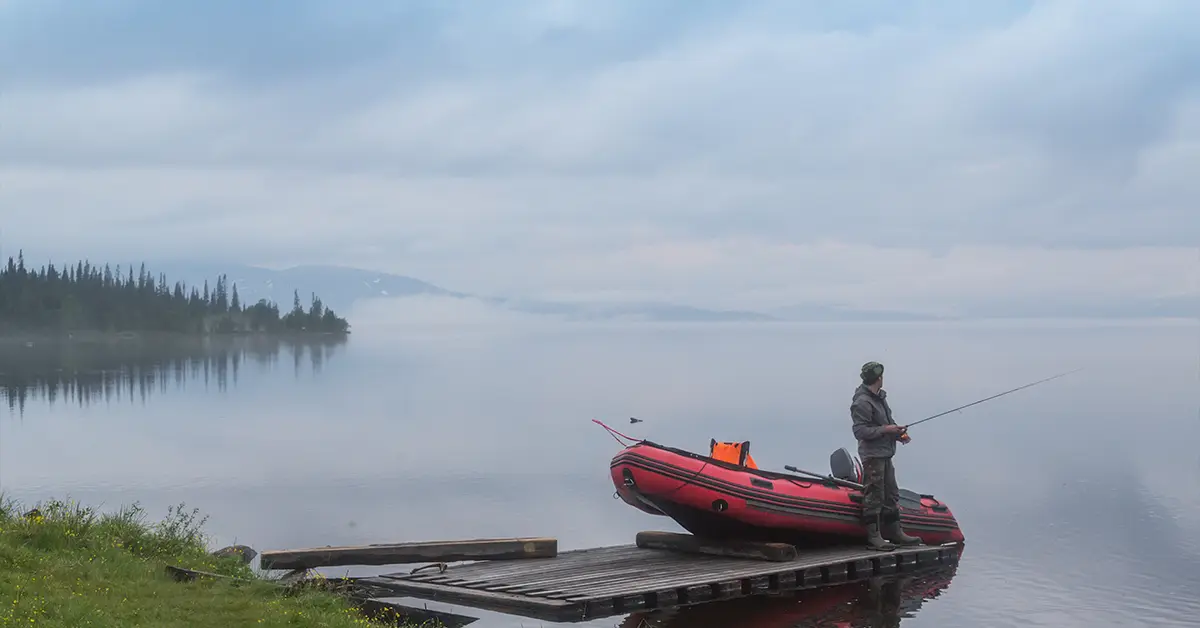
Many hunting and fishing enthusiasts can be refused entry to Canada because of past criminal matters.
Many outdoor enthusiasts in the United States enjoy everything that Canada’s magnificent wilderness has to offer.
Eager hunters and anglers head north to the lodges and resorts scattered across Canada from April to October. In this context, criminal inadmissibility to Canada often arises and ends a planned holiday before it has begun.
Contents
An overview of refused entry to Canada for those wishing to hunt or fish in Canada
Canada’s varied natural landscapes support a wide range of wildlife and terrain that appeal to hunters and anglers of every skill level. Bears, foxes and deer are among the many animals to be found in Canada’s forests, while salmon and trout are among the many fish that inhabit the country’s lakes and rivers.
For many hunting and fishing enthusiasts, Canada is seen as the ideal destination for their sport. Thousands of Americans, for example, decide to travel to Canada each year to spend their holidays on a hunting or fishing trip in the vast white expanses of the North.
While most of these individuals will enter the country without incident, those with a criminal record may face problems and risk being refused entry to Canada because they are considered inadmissible oncriminal grounds.
For US citizens with even a minor blemish on their criminal record, travelling to Canada may not be as straightforward as they expect. US citizens and permanent residents are turned away at the border and refused entry every day over offences such as reckless driving,driving under the influence (DUI), and petty theft.
If you have more than one such offence, or even a single more serious one, the resulting inadmissibility is never resolved simply by the passage of time, otherwise known as beingdeemed rehabilitated.
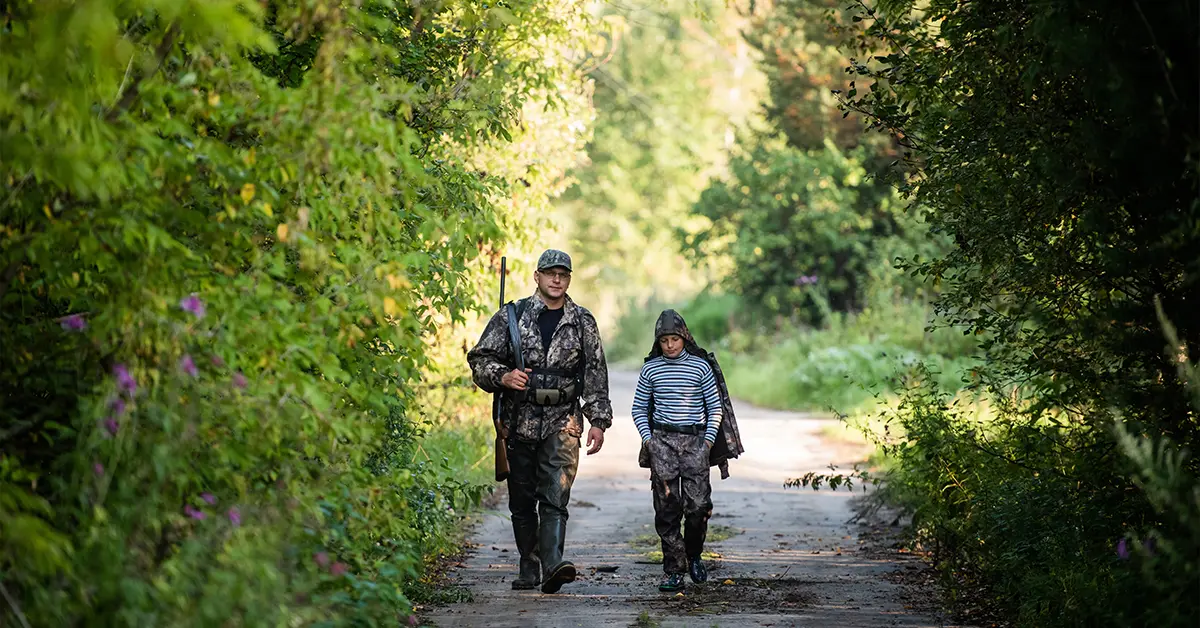
Hunting and fishing trips are often expensive
Anyone who has been on a hunting or fishing trip, or has looked into going on one, can confirm this. Once you account for the cost of transport to the location, accommodation and equipment hire, hunting and fishing trips can carry a substantial price tag.
Many of the associated costs are non-refundable, which means that if you are turned away at the border, you are not only deprived of an unforgettable experience but also lose part of your hard-earned money.
Hunters and anglers usually travel in groups
For this reason, an inadmissibility issue at the Canadian border can lead to awkward and potentially difficult situations. Individuals travelling with friends or family members may feel embarrassed if they are stopped at the border, particularly if their companions were previously unaware of anything on the record of a member of the travelling party.
An even more awkward and difficult scenario is travelling with colleagues or your employer. Criminal charges on your record may well have consequences at work, including the possible loss of your job.
Travelling to the Canadian border is a long journey
Depending on where you live and how you travel, the Canadian border may be a long way away. Being turned away at the border can therefore be especially frustrating given the considerable waste of time and money.
Logistical problems can also arise if you are travelling in a group and some members of your party are not refused entry and decide to carry on without you. You will have to find your own way home from the border, which is not always easy or cheap.

Considering a residency programme? The Prosperous Living Investment team assesses your profile free of charge and advises on the pathway that fits your goals.
Solutions for being refused entry to Canada
Temporary Resident Permit (TRP)is a solution that can grant temporary access to a person currently refused entry to Canada. A temporary resident permit application should only be submitted for significant travel and may be issued for a stay of up to three years, depending on the reason for entry.
Trips such as hunting or fishing are usually not regarded by immigration officers as the most significant reason for entering Canada, and this can reduce the chances of a temporary resident permit application succeeding, particularly if the application is not carefully prepared. For this reason, making sure your application complies as closely as possible with what the immigration authorities look for in a successful temporary resident permit application is key to maximising your chances of approval.
An application forcriminal rehabilitationapproved by the Canadian government is a permanent solution allowing unlimited travel to Canada. If you have been refused entry to Canada, a Canadian immigration officer may suggest criminal rehabilitation as a way of preventing future refusals. Once an applicant is approved, they no longer need a temporary resident permit to enter the country.
Legal opinion lettercan also help you. An experienced Canadian immigration lawyer can draft a letter on your behalf explaining to the Canadian authorities the relevant facts of your situation and the reasons for allowing you into Canada.
Read more about refused entry to Canada for visitors wishing to hunt and fish in Canada on the Canadian government website athere.
Accompanying you on your journey in residency investment
The Prosperous Living Investment team advises on pathways, assesses profiles and manages investments transparently for every residency, citizenship and international property objective.
Free profile assessmentWhere life gets prosperous