

Ireland
Ireland ends visa-free travel for Saint Kitts and Nevis, Saint Lucia and Nicaragua from 15 June 2026
From 15 June 2026, citizens of Saint Kitts and Nevis, Saint Lucia and Nicaragua will need a visa…


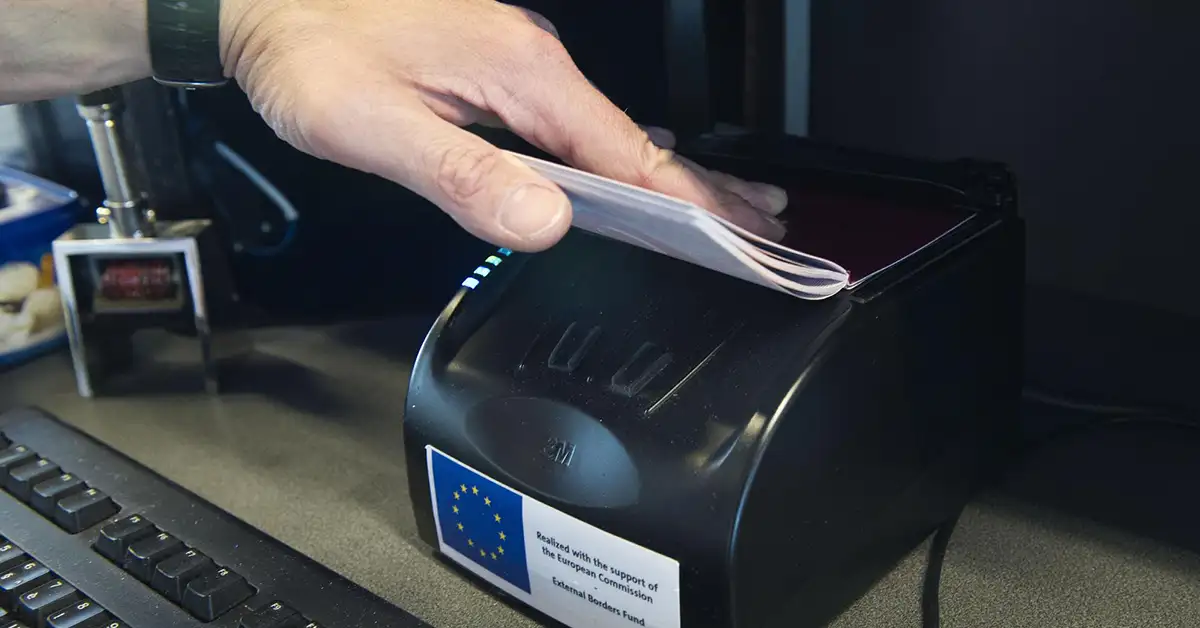
The Entry/Exit System (EES) is the European Union’s new digital border system. It officially becomes operational on 12 October 2025, applying to non-EU travellers entering or leaving the region. With EES, travel becomes smoother and more secure thanks to electronic data registration.
This system focuses on short-term stays, with a maximum of 90 days within a 180-day period. EU countries have begun recording traveller information automatically. This helps manage borders more effectively and minimises risks.
Detailed article on the The EU Entry/Exit System (EES).
In practice, non-EU citizens will provide passport data and biometric data such as facial images and fingerprints. Entry and exit data will also be stored. Registration takes place at the border for the first time; thereafter, only quick verification is required for subsequent visits.
The Entry/Exit System (EES) completely replaces manual passport stamping. It complies with the highest data protection standards under GDPR. Traveller privacy is guaranteed to prevent information misuse.
Travellers can find detailed information on the Official European Travel website. This site provides procedural guidance before entering the Schengen area. Clear information helps avoid surprises at the border.
Considering a residency programme? The Prosperous Living Investment team assesses your profile free of charge and advises on the pathway that fits your goals.
The Entry/Exit System is being implemented gradually over 6 months. Each EU country decides the timing and location for application at its borders. This approach is flexible and suited to local conditions.
The gradual introduction supports border agencies in adapting. The transport industry and travellers also have time to familiarise themselves with the new procedures. By 10 April 2026, the Entry/Exit System (EES) will be fully operational at all external border points.
At that time, electronic records will officially replace passport stamps. European travel will be modernised, reducing waiting times. The system helps detect overstays quickly.
Strengthening common borders is a priority for the European Commission. EES makes border control more secure, efficient, and convenient. Non-EU travellers benefit from faster processes.
The system reduces congestion at airports and seaports. Electronic data allows for more accurate tracking. EU security is enhanced without hindering travel.
According to the European Commission, the Entry/Exit System (EES) is expected to process millions of travellers annually. Data from official sources shows that the system reduces visa fraud by 30-50%. Travellers should prepare their biometrics to avoid delays.
Travellers must check regulations prior to their trip. Applies to all EU borders, including Schengen. Children under 12 years old may be exempt from certain biometric requirements.
Overstaying may result in a 5-year entry ban. The system connects to criminal databases. Always keep updated with information from official sources to avoid issues.
Summary of key considerations:
The EU entry/exit system marks a major step forward in border management. It balances security with travel convenience. Global travellers will gradually adapt to this technology, delivering a better experience.
From 15 June 2026, citizens of Saint Kitts and Nevis, Saint Lucia and Nicaragua will need a visa…

Latvia's parliament has passed an immigration law removing the real estate and bank deposit routes from the Golden…

According to Richard Montague of BDO in the WCR 2026 report, only 18% of wealthy individuals leave the…
The Prosperous Living Investment team advises on pathways, assesses profiles and manages investments transparently for every residency, citizenship and international property objective.
Free profile assessmentWhere life gets prosperous
We use analytics cookies (Google Analytics) to understand how this site is used. They stay off until you agree. Privacy policy.