


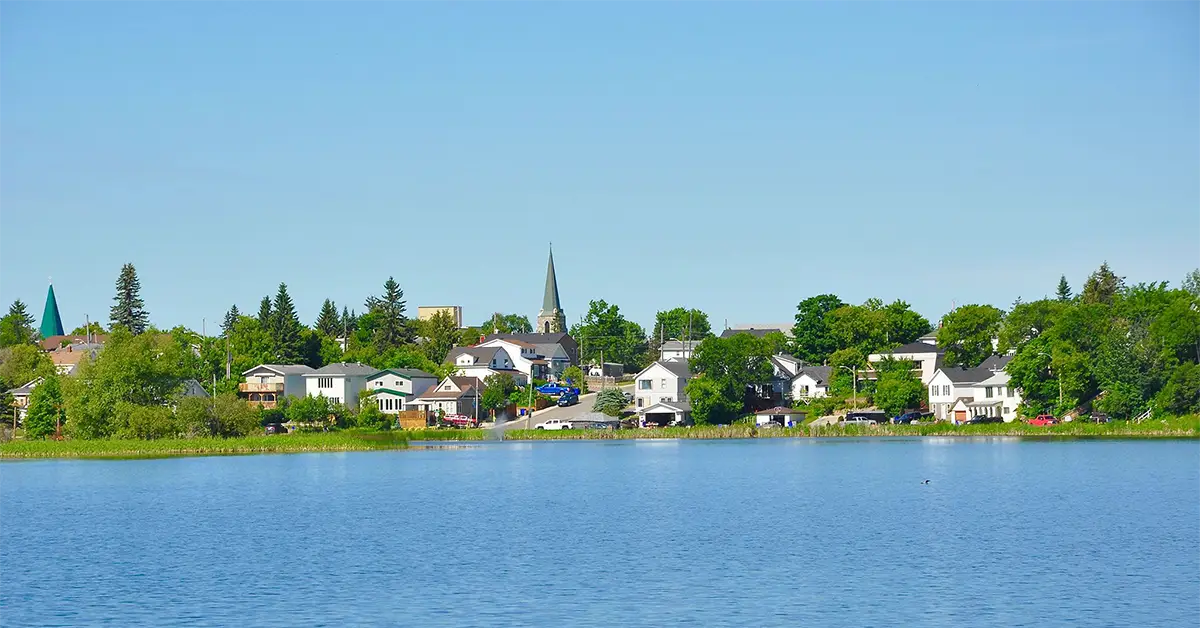
The Francophone Community Immigration Pilot (FCIP) is an important initiative of Immigration, Refugees and Citizenship Canada (IRCC), aimed at promoting economic and cultural development in French-speaking rural communities outside Quebec.
Message
An overview of the FCIP
The Francophone Community Immigration Pilot (FCIP) was launched in 2024. The FCIP focuses on attracting French-speaking skilled workers, helping fill labour gaps and preserve the French language in sparsely populated areas. According to IRCC, the programme is expected to run until 2029, with the aim of welcoming thousands of candidates a year.
The programme not only provides an opportunity for permanent residence but also supports community integration. Data from IRCC show that, as at October 2025, the programme had received hundreds of applications, mainly from French-speaking African and European candidates. This programme fits with Canada’s immigration strategy, which prioritises workers with skills and a high capacity to integrate.
Analysed overall, the Francophone Community Immigration Pilot is an employer-driven programme, requiring candidates to have a job offer from a designated business. This ensures sustainability, helping candidates settle into life quickly.
Considering a residency programme? The Prosperous Living Investment team assesses your profile free of charge and advises on the pathway that fits your goals.
Eligibility for the FCIP
To take part in the FCIP, candidates must meet strict criteria on language, work experience and the job offer.
- French proficiency atCanadian Language Benchmark (CLB)5 or above through tests such as the TEF or TCF.
- At least 1 year of full-time work experience in a field related to the job offer
- The job offer must come from a designated employer in a participating community, at a minimum wage set by local rules
- A minimum level of education equivalent to a secondary school diploma
- No criminal record.
- There is no age limit, but younger workers are preferred so that they can contribute over the long term
Analysed closely, these conditions are intended to ensure that candidates are able to integrate. Data fromImmigration, Refugees and Citizenship Canada (IRCC)show an application approval rate of around 70% in the pilot’s first year, thanks to strict vetting.
The FCIP application process and processing times
The FCIP application process begins with finding a job offer from a participating community. Once they have an offer, the candidate prepares an application including documents evidencing language, work experience, and personal information.
The application is submitted online through the IRCC portal, with a fee of around CAD 1,525.
Processing usually takes 6-12 months, depending on the community and the volume of applications.
According to an IRCC announcement in July 2025, some communities such as Timmins opened for applications from 27 October 2025. After approval, the candidate receives a temporary work permit, leading to permanent residence where the conditions are met after 1-2 years.
Analysing the process, this step ensures transparency and efficiency. Data from the Canadian Immigration Association show that FCIP processing times are shorter than for other programmes such as Express Entry, thanks to the pilot’s scale.
The communities taking part in the FCIP and the economic benefits
The FCIP covers many French-speaking rural communities outside Quebec. Each community has its own list of priority jobs, focusing on agriculture, tourism and manufacturing. According to IRCC, by 2025 there were around 10 participating communities, with the aim of adding more.
The economic benefits of the FCIP include filling labour shortages, with low unemployment rates in these areas.
Data from Statistics Canada for 2024 show that French-speaking communities outside Quebec are short of around 5,000 skilled workers. FCIP candidates receive settlement support, including language training and job placement.
Analysed, this programme promotes cultural diversity. For example, in Timmins the FCIP focuses on the mining sector, with an average salary of CAD 60,000 a year. This provides candidates with a stable opportunity while supporting local development.
A list of some of the communities taking part in the FCIP
A summary table of some of the communities taking part in the FCIP in 2025 is set out below:
| Community | Province | Priority sector | Estimated number of jobs |
|---|---|---|---|
| Timmins | Ontario | Mining, tourism | 500 |
| Village Saint-Pierre-Jolys | Manitoba | Agriculture, services | 300 |
| Kelowna | British Columbia | Manufacturing, technology | 400 |
These communities were designated by IRCC on the basis of labour needs.
The benefits and challenges of the FCIP
The main benefit of the FCIP is a fast route to permanent residence, in a shorter time than other programmes. Candidates receive support with community integration, including housing and education for their children. According to IRCC, the programme will help increase the French-speaking population outside Quebec to 4.4% by 2036.
However, the challenges include high language requirements and competition for jobs. Analysed, the application refusal rate is around 30%, mainly for lack of a job offer. Candidates need to prepare thoroughly in order to succeed.
The Francophone Community Immigration Pilot (FCIP) is a golden opportunity for French-speaking workers to settle in Canada. With clear conditions and economic benefits, it contributes to a sustainable immigration strategy.
Accompanying you on your journey in residency investment
The Prosperous Living Investment team advises on pathways, assesses profiles and manages investments transparently for every residency, citizenship and international property objective.
Free profile assessmentWhere life gets prosperous