
Studying in Quebec – Canada


Studying in Quebec is one of the leading choices for international students who set their sights on Canada. It is a place where international students can secure work after graduation and follow a promising immigration pathway.
Quebec is home to Montreal – the city with the highest number of students per capita in Canada – and the province continues to attract international students. Situated at the cultural crossroads of North America and Europe, cities and towns across Quebec each offer something quite distinctive. Every year, Quebec’s French- and English-language institutions welcome around 25,000 new foreign students. Diversity and opportunity abound in this unique learning environment.
It is not only the wealth of programmes on offer: students also come to Quebec for its affordable tuition fees, state-of-the-art facilities, vibrant living environment and, above all, the clear route to Canadian immigration through theQuebec Experience Programme (PEQ). When weighing up Canada as a study destination, the opportunities in Quebec, and in Montreal in particular, cannot be overlooked.
Message
Overview
- Population: 9,046,572 (updated 18/11/2025)
- International students: 117,925 (2023 data from ICEF Monitor)
- Main places of study: Montreal, Quebec City, Sherbrooke
Considering a residency programme? The Prosperous Living Investment team assesses your profile free of charge and advises on the pathway that fits your goals.
Advantages of studying in Quebec
- Internationally recognised qualifications. Quebec safeguards programme quality through legislation, external assessment and the consensus of professional associations.
- An extremely wide choice of French- or English-language programmes, depending on the institution.
- State-of-the-art facilities: high-tech laboratories, computer rooms, sports facilities, auditoriums… whether the institution is large or small, they are available everywhere.
- The most competitive international student tuition fees among developed countries, and considerably lower than in other Canadian provinces.
- Living costs among the lowest in Canada.
- A perfect blend of vibrant city life and rural natural beauty: thousands of lakes and rivers, vast birch forests, fjords and majestic waterways, along with countless national parks.
- A clear and rapid route to permanent residence for international students.
Please note: from 22/01/2025, some international students wishing to study in Quebec may need a Provincial Attestation Letter (PAL) in order to apply for a study permit (in addition to other documents). The provincial government has confirmed that the CAQ may serve in place of the PAL.
Immigration after studying in Quebec
- Quebec Experience Programme (PEQ):Many international students ultimately become Canadian permanent residents through the PEQ. The programme has a dedicated stream for international students, with no threshold score to reach and no invitation letter required.
- Quebec Skilled Worker Selection Programme (SWSP):Students who are close to graduating and hold a valid CAQ and study permit may apply under the quota-exempt category. Applicants must have completed at least half of an eligible programme of study and be ready to enter the labour market.
- Express Entry: Students who wish to settle in another province still earn very high points as graduates of a Quebec institution, thanks to their level of education and their Canadian work experience.
Institutions in Quebec
These institutions are featured for their size, their proximity to urban centres, and their tradition of recruiting international students into their student body.
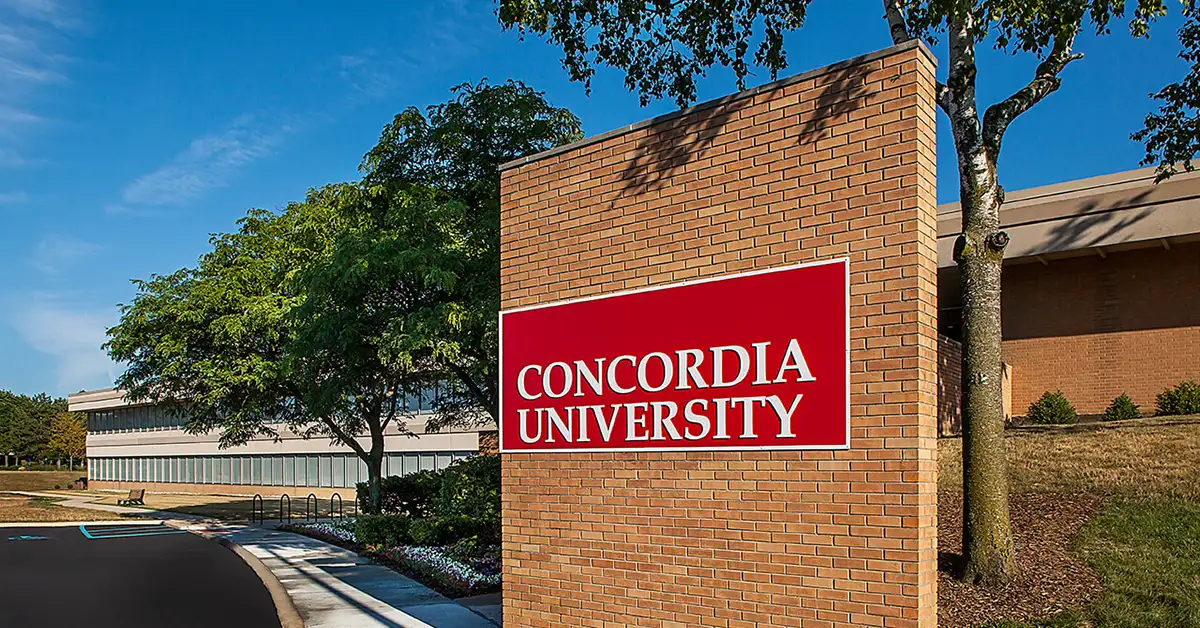
Concordia University
- Website: https://www.concordia.ca/
- A modern English-language university with more than 500 undergraduate and postgraduate programmes.
- Featured programmes: Business, Engineering, Communications, Computer Science
- Location: Montreal
Université de Montréal
- Website: https://www.umontreal.ca/en/
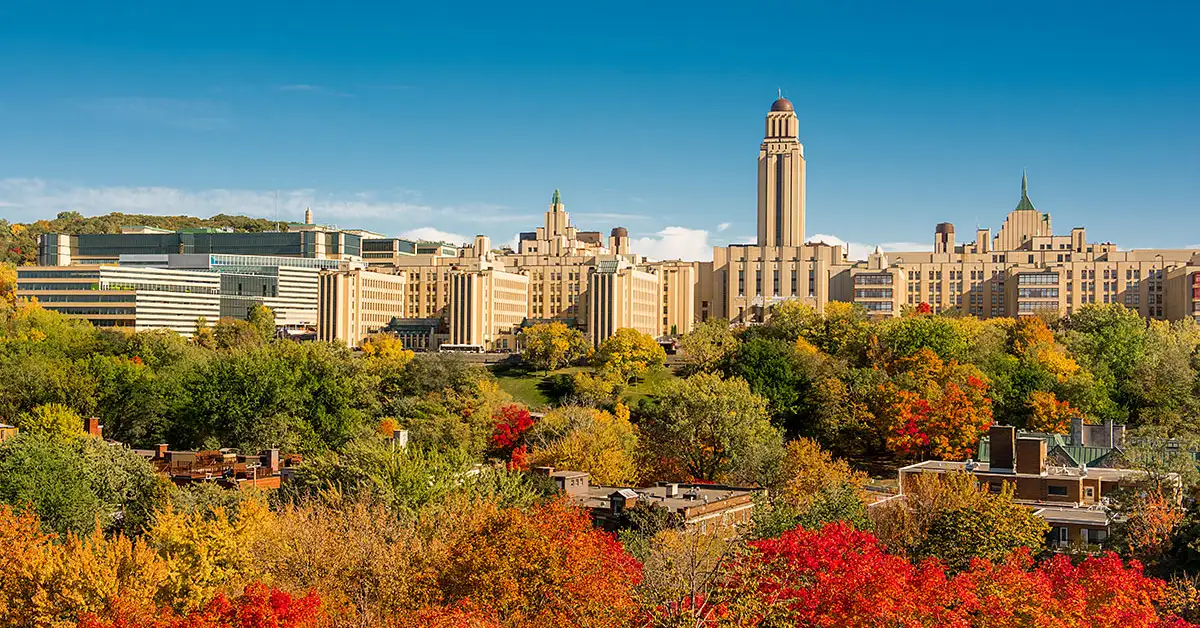
- A large French-language university with more than 650 programmes and 71 doctoral degrees.
- Featured programmes: Medicine, Social Sciences, Health Sciences, Business
- Location: Montreal
McGill University
- Website: https://www.mcgill.ca/
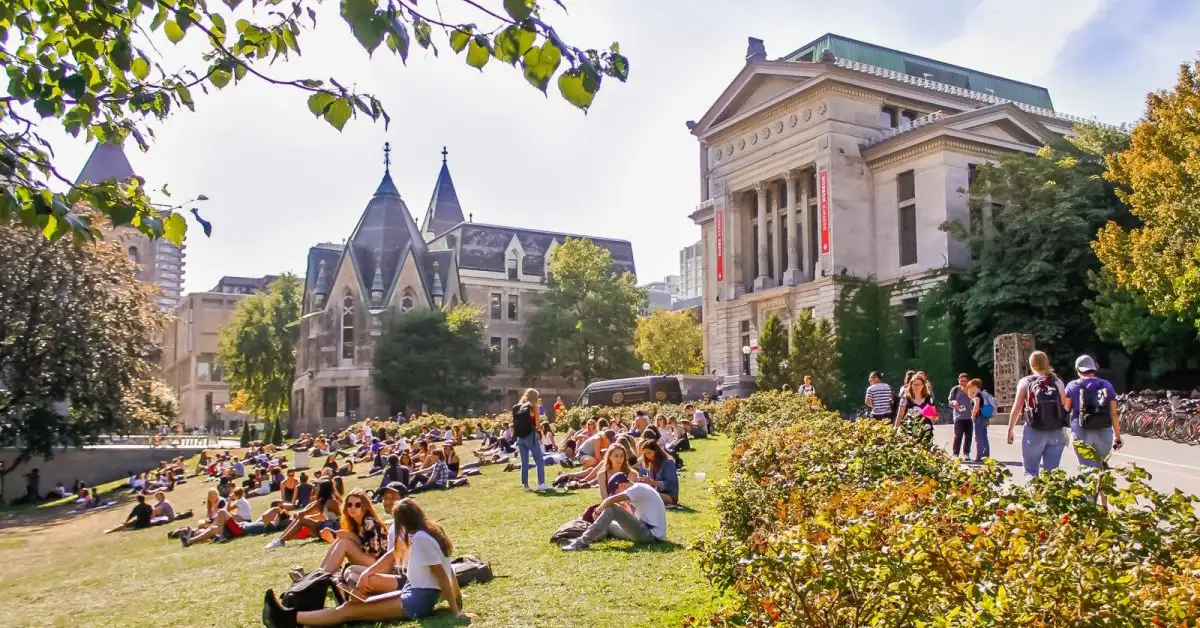
- Canada’s most prestigious English-language university, with more Nobel laureates and Rhodes scholars than any other in the country.
- Featured programmes: Medicine, Law, Music, Dentistry, Management
- Location: Montreal
Université Laval
- Website: https://www.ulaval.ca/en
- Founded in 1663, with more than 350 programmes and 2,500 international students.
- Featured programmes: Law, Architecture, Science & Engineering, Medicine
- Location: Quebec City
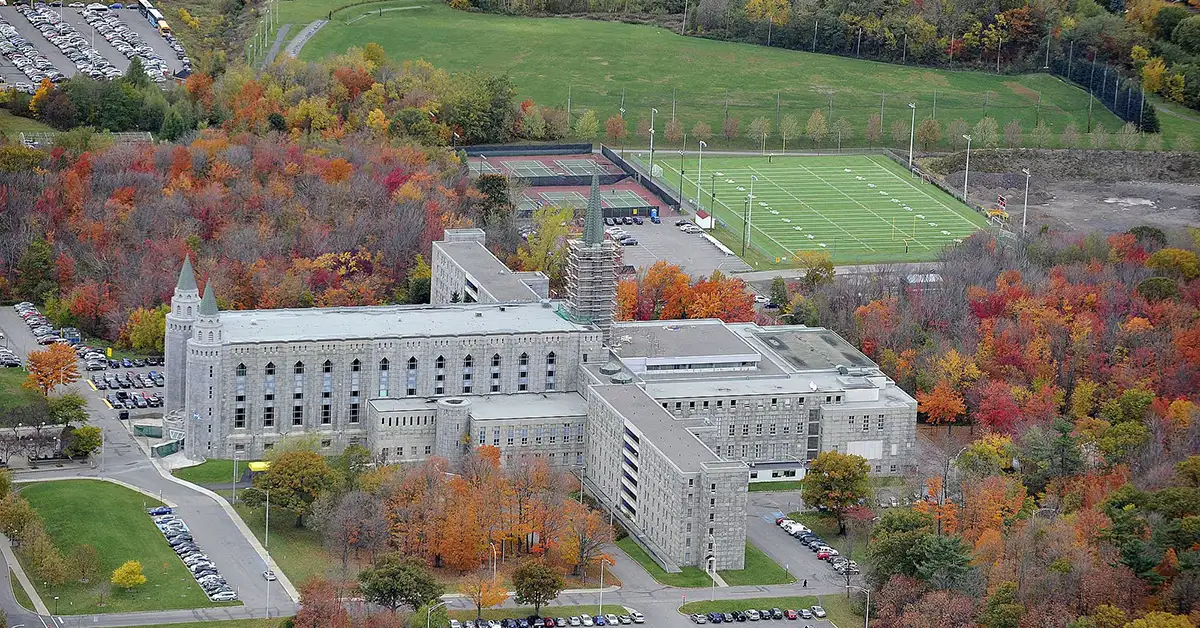
Université du Québec à Montréal (UQAM)
- Website: https://uqam.ca/en/
- The largest French-language institution in the Université du Québec network.
- Notable programmes: Arts, Health Sciences, Business
- Location: Montreal
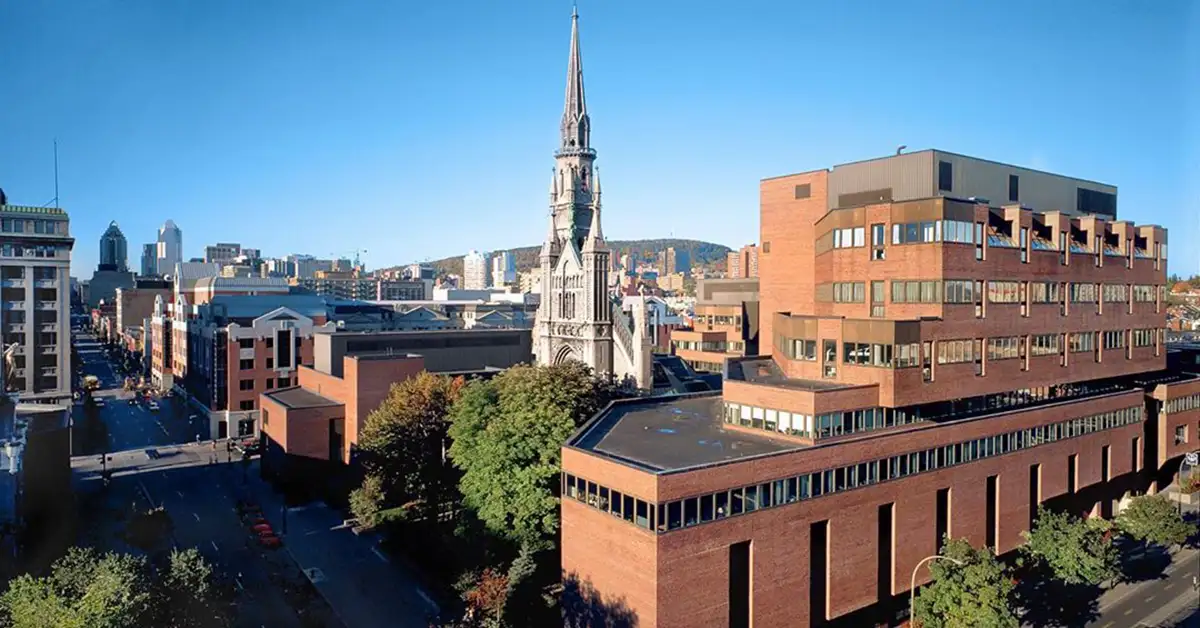
Université de Sherbrooke
- Website: https://www.usherbrooke.ca/
- Renowned for its international co-op programmes and paid work placements.
- Notable programmes: Medicine & Health, Management, Education, Engineering, Law
- Location: Sherbrooke, Longueuil

Other institutions in Quebec
The selected institutions are those that Prosperous Living Investment has assessed for quality, value and capacity to support international students studying in Quebec. They are recognised by Colleges and Institutes Canada (formerly the Association of Canadian Community Colleges) or have been chosen for their proven pathway programmes and outstanding student services.
- Collège Ahuntsic
- Collège de Maisonneuve
- Collège de Rosemont
- Collège Gérald-Godin
- Collège LaSalle
- Collège Lionel-Groulx
- Collège Mérici
- Collège Montmorency
- Dawson College
- École de technologie supérieure (ÉTS)
- École Polytechnique de Montréal
- HEC Montréal
- Vanier College
Frequently asked questions (FAQ) about studying in Quebec
To obtain a Canadian study permit, an international student must first receive a letter of acceptance from aDesignated Learning Institution in Canada (DLI). Each institution has its own admission requirements and application process, so applicants should contact the institution they are interested in directly.
To study at a post-secondary institution in Quebec, most students need aQuebec Acceptance Certificate (CAQ). Also required are aLetter of Acceptance (LOA) from a DLIandProvincial Attestation Letter (PAL)– although the provincial government has confirmed that the CAQ may serve in place of the PAL.
- Concordia Universityis an English-language university offering more than 500 undergraduate and postgraduate programmes. Located in the heart of Montréal, it is known for its creative, hands-on programmes. Established in 1974 through the merger of Loyola University and Sir George Williams University, Concordia is a diverse and forward-thinking institution set in a lively urban environment. The John Molson School of Business ranks among the top ten business schools in Canada.
- Notable programmes: Business, Building Engineering, Intermedia, Computer Science and Engineering, Geography and Urban Studies
- Université de Montréalis a French-language university in Canada renowned for health sciences and law. Nearly 50,000 undergraduate and postgraduate students have access to more than 650 programmes across over 60 departments. Its two affiliated schools — HEC Montréal and École Polytechnique — offer Business and Engineering programmes respectively, and each is distinguished in its own right.
- Notable programmes: Medicine, Social Sciences, Health Sciences, Law, Business
- McGill Universityis perhaps the province’s best-known English-language university. Consistently ranked among the leading institutions in Canada and worldwide, McGill is particularly noted for its Medicine, Management and Engineering programmes. It has 11 faculties and 12 professional schools, offering its 38,000 students more than 300 programmes across two campuses. The park-like main campus lies in central Montréal, while the nearby campus at Sainte-Anne-de-Bellevue houses the faculty of Agricultural and Environmental Sciences, where students have access to a working farm.
- Notable programmes: Medicine, Law, Music, Dentistry, Engineering and Management
- Université du Québecis a network of 10 institutions across the province, with universities in Montréal (UQAM), Trois-Rivières (UQTR), Chicoutimi (UQAC), Rimouski (UQAR), Outaouais (UQO) and Abitibi-Témiscamingue (UQAT). The system also includes two member schools (public administration and technology), a scientific research institute and TÉLUQ — the only French-language distance-learning university in North America.
- Bishop’s Universityis one of the three English-language universities in Québec, alongside McGill and Concordia. It is located in Sherbrooke, in southern Québec. With fewer than 3,000 students, it suits those seeking a small, close-knit and strongly community-minded learning experience. Bishop’s is primarily an undergraduate university with a strong tradition in the humanities and social sciences, as well as in the natural sciences and business.
- Notable programmes:Languages, Education, Business, Humanities, Natural Sciences and Mathematics
Québec’s college system is unique in Canada. After 11 years of primary and secondary schooling, students may enter public colleges known as CEGEPs, where they can take a vocational diploma (DEP) or a pre-university programme (DEC). A vocational diploma allows students to enter the workforce or go on to university, while the DEC gives students entry to a Bachelor’s programme with advanced standing (Bachelor’s programmes in Canada for students who have completed CEGEP usually last three years). Québec also has a number of private colleges. The institutions below belong to the CEGEP system.
- Founded in 1970,Vanier Collegeis the second English-language public college in Montréal. Almost 6,000 students take pre-university programmes, although, as at other institutions in Québec, three-year technical programmes are also offered. Vanier is located in Montréal’s St. Laurent borough, known for its diversity (according to the most recent census, more than half of residents have a first language other than English or French) and its residential character. The college is also conveniently connected to the city centre by metro.
- Notable programmes: Pre-university, Vocational programmes, Certificate programmes, College majors, Sustainable development
- Dawson Collegefounded in 1969, was the province’s first English-language vocational college and is now the largest, with almost 11,000 students. Students can choose from a wide range of pre-university or technical programmes and study in English. For this reason, Dawson is very popular with international students. The college is known for experimenting with teaching methods, including seminar-style classes.
- Notable programmes: “First Choice Science”, Arts, Literature and Communication, Business, Engineering, Business technology
- Collège Ahuntsic, one of the largest CEGEPs in Québec with around 10,000 students, is known for its science programmes. In some programmes, students can take up part-time work in their field. As a French-language college, classes at Ahuntsic are taught in French. The college is located in the Ahuntsic-Cartierville district in the north of Montréal.
- Notable programmes: Natural Sciences, Arts, Literature and Communication, Diagnostic Imaging, Pre-hospital Emergency Care, Police Technology
- As elsewhere in Canada, popular fields include Engineering, Nursing and Computer Science.
- McGill’s reputation draws many students to its Medicine, Law and Management programmes. Montréal is renowned for the arts, so Arts and Humanities subjects are much sought after. Many institutions in Québec are also known for hospitality, tourism and culinary management, which attract large numbers of students.
- Beyond the programmes listed above, Québec’s educational institutions offer a wide variety of fields of study.
International tuition fees at CEGEPs are set province-wide, and international students may pay between $12,000 and $18,602 CAD per year, depending on the programme.
University tuition in Québec varies more widely. International students may pay between $10,000 and $30,000 CAD per year, depending on the programme (some specialised postgraduate programmes can cost more).
Prospective international students should note that Québec has agreements with certain countries exempting their citizens from the international tuition supplement. For further information, students are encouraged to contact the Québec Ministry of Education or the post-secondary institution concerned.
International students studying in Canada must take out health insurance before arriving in the country. This is normally arranged through the post-secondary institution.
However, students from countries with a reciprocal agreement with Québec may be eligible for provincial health cover. These countries are: Belgium, Denmark, Finland, France, Greece, Luxembourg, Norway, Portugal, Romania and Sweden.
Note that only students from France are eligible for prescription drug cover.
To apply for a study permit, international students must demonstrate that they have $11,000 CAD in addition to tuition to cover living costs in Québec. That figure works out at $917 CAD per month.
Note that living costs can vary considerably between large cities and small towns. Estimated costs are set out below:
| Item | Per month | Per year |
|---|---|---|
| Accommodation | $550 | $6,600 |
| Food | $200 | $2,400 |
| Clothing & other expenses | $150 | $1,800 |
| Entertainment | $150 | $1,800 |
| Health insurance | $83 | $1,000 |
| Transport (reduced fares for students aged 25 and under) | $49.75 | $597 |
| Telephone | $60 | $720 |
| Internet | $50 | $600 |
| Utilities | $100 | $1,200 |
| Total | $1,442.75 | $17,313 |
International students in Québec can access private loans on the same terms as Canadian citizens or permanent residents. Loans may be offered by banks, student organisations or other bodies. It is important to research the loan options carefully and to understand the interest rates and repayment plans before signing.
Many organisations and educational institutions offer scholarships or financial support to international students. Students are encouraged to contact their institution’s international student services office.
Postgraduate programmes, particularly at Master’s and Doctoral level, often carry funding opportunities. Students should contact the institution directly for further details.
As this is a popular field across Canada, many universities and colleges in Québec teach Engineering.
McGill is especially well known for its faculty of Engineering, ranked fifth in Canada by Maclean’s magazine in 2016.
Concordia’s Faculty of Engineering and Computer Science offers more than 50 undergraduate and postgraduate programmes.
McGill was ranked sixth in Canada for Computer Science by Maclean’s in 2016.
Because the field is so popular, many universities and colleges in Québec offer Computer Technology and related programmes.
Computer Science programmes are available at all three English-language universities in Québec (Bishop’s, McGill and Concordia), as well as at English-language colleges such as Dawson and Vanier.
As this is a popular field across Canada, many universities and colleges offer Nursing programmes.
McGill was ranked sixth in Canada for Nursing by Maclean’s in 2016.
Dawson College’s Nursing programme prepares students to enter the workforce while also encouraging them to go on to a Bachelor of Nursing — which is why the college has developed a DEC-BAC pathway with McGill’s School of Nursing.
STEM stands for Science, Technology, Engineering and Mathematics. Although STEM fields are very popular, there is no programme named “STEM” at any institution in Québec. Students should research the programmes within their specific field of interest. The School Search tool can be used to find programmes in these areas.
Wholesale and retail trade is the largest employer in Québec, followed by health care and social assistance.
Between September 2015 and September 2016, significant employment growth was recorded in business services, construction and other support services, finance, insurance, real estate, leasing and education.
Use the Canada Job Search tool to find employment opportunities in Québec and across Canada.
Graduates of a Designated Learning Institution (DLI) in Quebec may apply forPost-Graduation Work Permit (PGWP)after graduating from an eligible programme of study.
- Québec Experience Programme (PEQ): Many international students who study in Québec ultimately become Canadian permanent residents through the PEQ. The programme has a stream for international students in Québec. This route requires neither a minimum score nor an invitation to apply.
- Québec Skilled Worker Programme (SWSP): If students complete a programme of study in Québec and hold a valid CAQ and study permit, they may be eligible to apply through the QSWP under the quota-exempt category. Applicants must have completed at least half of an eligible programme and be ready to enter the workforce. The QSWP uses a points system.
- Express Entry: Those who study in Québec but wish to settle in another province may apply through Express Entry. Candidates who have both studied and gained work experience in Canada can earn more points.
Studying in Québec does not prevent students from applying to anotherprovincial nominee programme (PNP)in Canada, provided they intend to live in that province.
Québec is Canada’s largest province, so the climate varies considerably between its southern border with the United States and its northern coast (close to the Arctic Circle). Most major cities, including Montréal, lie in the south and have hot, humid summers and cold, snowy winters.
Québec’s universities are renowned for preparing students for life after graduation. Three Québec universities feature in Canada’s top 10 on this measure: Bishop’s University in fifth place, Université de Sherbrooke in sixth and UQAM in seventh, according to Maclean’s magazine’s 2016 survey.
Students with an interest in languages will find plenty of opportunities in this French-speaking province.
- Montréal is Québec’s largest and best-known city. With its many universities, low living costs and diverse culture, Montréal has long been a popular destination for students. Although Québec is a French-speaking province, many English speakers find living in this bilingual city easy and welcoming.
- The provincial capital is also called Québec, but is usually referred to as Québec City. It is one of the oldest settlements in North America and takes great pride in preserving its local history. Université Laval is located in Québec City.
- Other large cities include Gatineau, Laval, Trois-Rivières, Sherbrooke and Saguenay.
Accompanying you on your journey in residency investment
The Prosperous Living Investment team advises on pathways, assesses profiles and manages investments transparently for every residency, citizenship and international property objective.
Free profile assessmentWhere life gets prosperous