
Ireland
Ireland ends visa-free travel for Saint Kitts and Nevis, Saint Lucia and Nicaragua from 15 June 2026
From 15 June 2026, citizens of Saint Kitts and Nevis, Saint Lucia and Nicaragua will need a visa…


An increasing number of people worldwide are choosing Europe as a retirement destination due to reasonable living costs, a safe living environment, high-quality healthcare systems, and stable economies.
With its rich history, diverse climate, and relaxed lifestyle, Europe has become an attractive option for those looking to enjoy their retirement. However, choosing the right country can be confusing when considering quality of life, cost of living, health insurance, visa options, crime rates, and outdoor leisure activities.
This article will introduce 10 of the best places to retire in Europe with the easiest visa programmes and most affordable costs available today.
There are 44 countries in Europe, so choosing where to settle long-term is a major decision. Below are the key factors to consider:
Although approximately 47% of the EU population speaks English as a second language, English may not be common in rural areas or small towns. Therefore, you should prioritise tourist cities or areas with large expatriate communities to integrate easily and avoid culture shock.
Many retirees rely on pensions, rental income, social security benefits, or savings. European countries with low housing, food, transport, and tax costs will help your finances last longer.
Many European countries possess high-quality, reasonably priced public healthcare systems, along with affordable private health insurance options – which is crucial for the elderly.
Economic stability provides peace of mind for the future. Many people choose Europe for its safe socio-political environment, which is less volatile than some other regions of the world.
Considering a residency programme? The Prosperous Living Investment team assesses your profile free of charge and advises on the pathway that fits your goals.
| Country | Visa name | Minimum monthly passive income requirement | Family inclusion | Initial visa duration | Citizenship pathway |
|---|---|---|---|---|---|
| Portugal | Visa D7 | 870 € | Yes | 2 years | Yes (after 5 years) |
| Spain | Non-lucrative visa | 2,400 € | Yes | 1 year | Yes (after 10 years) |
| Italy | Self-sufficient residence visa | 2,667 € | Yes | 1 year | Yes (after 10 years) |
| Greece | FIP – Financially Independent Person | 3,500 € | Yes | 3 years | Yes (after 7 years) |
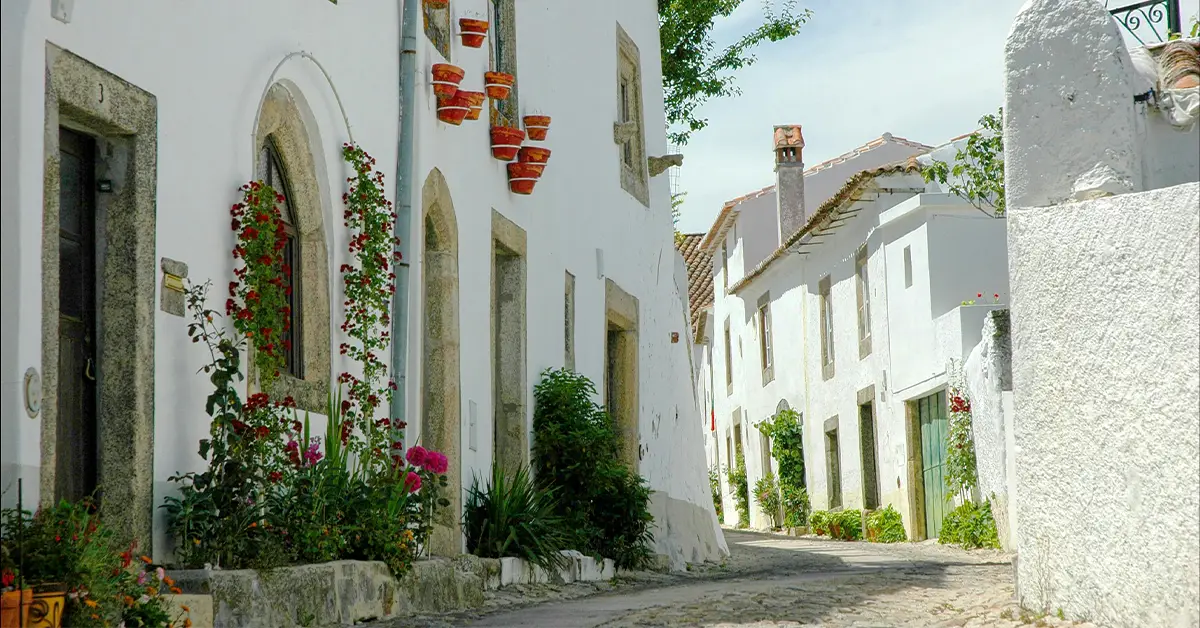
Located in Southern Europe, Portugal ranks 5th among the safest countries in Europe. It is a top destination for global retirees due to its low cost of living and high quality of life.
A 2025 AIMA report shows that approximately 15% of the population are foreigners. A family of four needs only about €2,416 per month (excluding rent) to live comfortably. Dining out is inexpensive (€30–€60 for two people), a monthly public transport pass is €40, and basic utilities are €80–€130.
Once you become a resident, you enjoy a high-quality, low-cost public healthcare system; private insurance is also common for faster access. Warm weather year-round, long coastlines, a large expatriate community, and many outdoor activities (hiking, golf, sailing, cycling) keep Portugal at the top of retirement lists.
Retirement visa: D7, requires proof of a minimum passive income of €870 per month (higher for spouses and children), a clean criminal record, and accommodation in Portugal. It is the fastest citizenship route in Europe.
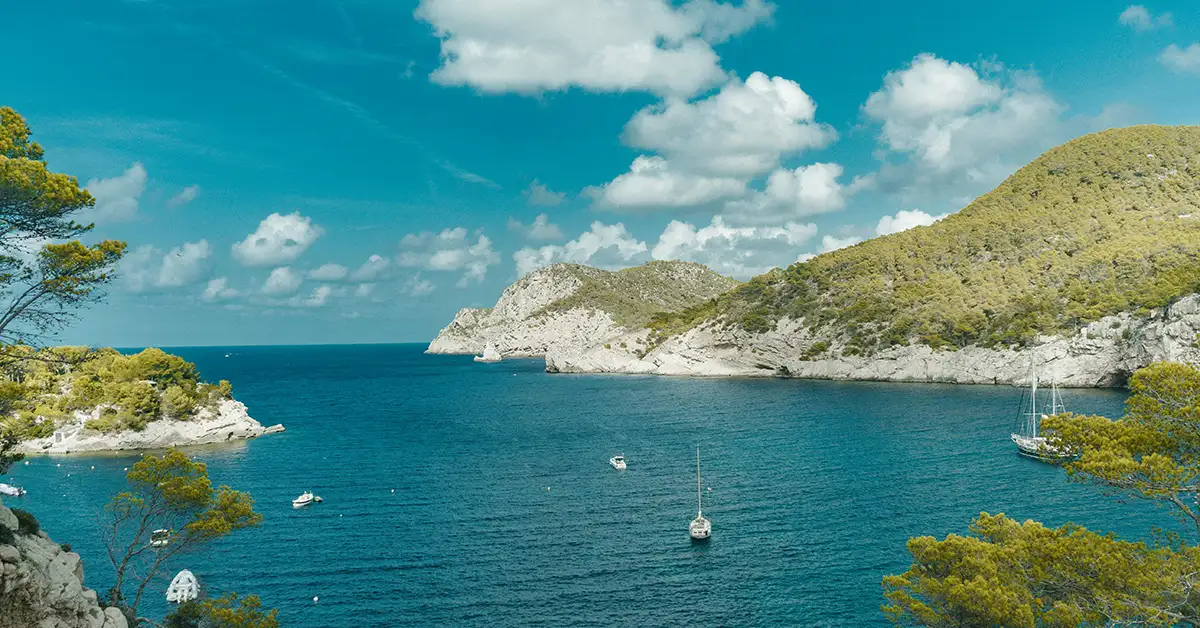
Spain is a favourite destination due to its Mediterranean climate, rich culture, and excellent healthcare system. There are currently over 8 million foreigners living there (16.71% of the population).
A family of four can live comfortably on about €2,552 per month (excluding rent). Dining out costs €35–80 for two people, a monthly pass is €30, and utilities are €80–€218. As a legal resident, you have access to free or very low-cost public healthcare. Long coastlines, the Pyrenees mountains, golf courses, vineyards, and national parks are all easily accessible.
Retirement visa: Non-lucrative visa, requires a passive income of €2,400 per month + €600 per dependent, private health insurance, and a clean criminal record.
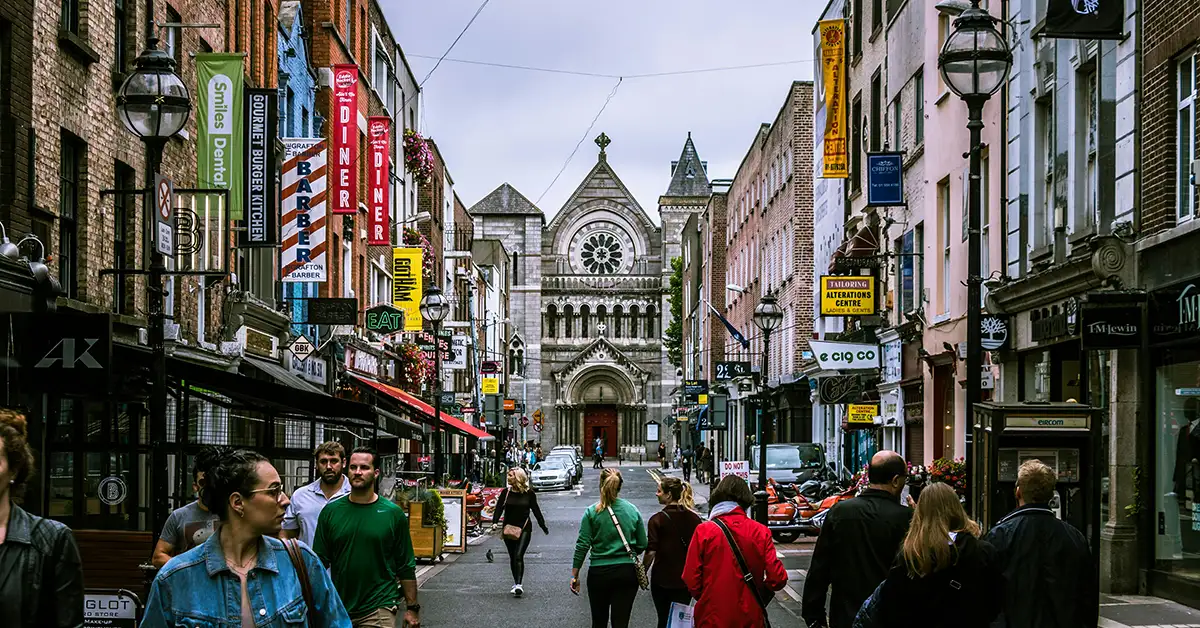
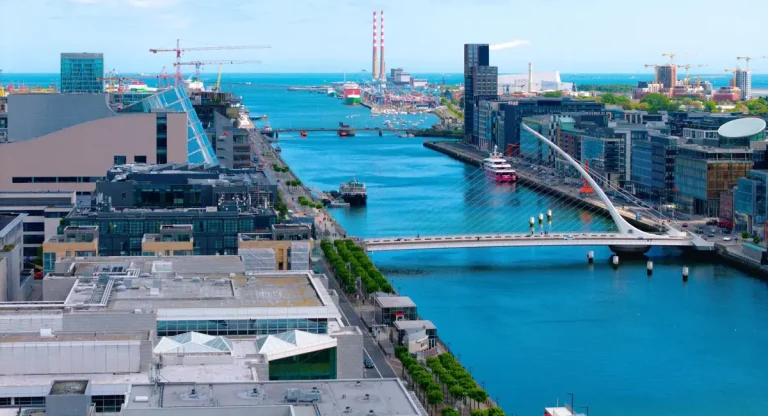
Ireland is an English-speaking country in Western Europe that attracts global retirees with its peaceful towns, lush green landscapes, and relaxed lifestyle. It is one of the safest countries in Europe, ranking 3rd globally according to the 2025 Global Peace Index, with a low crime rate. Retirees can enjoy hiking, playing golf, and exploring natural beauty such as the Cliffs of Moher or the Wild Atlantic Way coastline.
That said, the cost of living in Ireland can be high, especially in Dublin. A one-bedroom apartment in the city centre costs around $2,000 EURO per month. Utilities range from $140-$388 EURO. A meal for two at a restaurant costs around $55-$120 EURO. Smaller towns such as Galway and Cork are considerably cheaper than the big cities. According to November 2025 Numbeo data, a family of four needs about $3,507 EURO per month (excluding rent) to live comfortably.
Ireland has both public and private healthcare. However, you can choose private health insurance for faster service. Public care is available but waiting times are long. Private care, by contrast, is quick and widely used by foreign nationals.
To retire in Ireland, you need to apply for Stamp 0 – also known as the Irish retirement visa or financially independent person visa. This is a residence permit for retirees or individuals with stable passive income who do not work in Ireland. The permit is issued for one year and is renewable annually as long as conditions are met. After five years of continuous residence, you are eligible for permanent residency; after one more year, you can apply for citizenship if you meet the physical presence requirements and pass an English test.
The basic requirements:

Located in Southeastern Europe, Greece is considered a safe country for retirees. Petty crime may occur in tourist areas, but serious crime is rare. Therefore, when living in Greece, you can enjoy spending time outdoors, swimming, walking and visiting local markets. In addition, there are many islands and historical sites to explore, from the legendary Acropolis to the white-sand beaches of Santorini.
For retirees, Greece is one of the more affordable countries in Europe. A family of four can cover basic monthly expenses of approximately €2,735, excluding rent. A meal for two costs about €35-€80. Basic utilities range from €120-€311. A three-bedroom apartment in the city centre costs about €781.
In addition, there are both public and healthcare systems in Greece. At this time, you can use private health insurance for faster service. Medical care is generally affordable and of good quality, especially in major cities like Athens and Thessaloniki, where many doctors speak English.
When retiring to Greece, you will need a residence visa. Although there is no specific retirement visa in Greece, there are several alternative options, such as the Financially Independent Person (FIP) or the Greece Golden Visa.
For the FIP visa, you need to prove an income of €3,500 per month (increasing by 20% for a spouse and 15% for each child), from passive sources such as pensions, investments or savings (at least €84,000). The visa is issued for three years, renewable as long as requirements are maintained, and requires a stay of at least 183 days per year.
On the other hand, the Greece Golden Visa allows you to buy property and obtain a residence permit. Here, minimum investment thresholds start from €250,000 (for commercial-to-residential conversions or heritage restoration), €400,000 (outside popular areas) or €800,000 (Athens, Thessaloniki, large islands) – making it the only Golden Visa programme in Europe that still allows real estate investment. The programme grants permanent residency (no expiration), allows you to bring family members, grants Schengen freedom of movement and a pathway to citizenship after seven years.
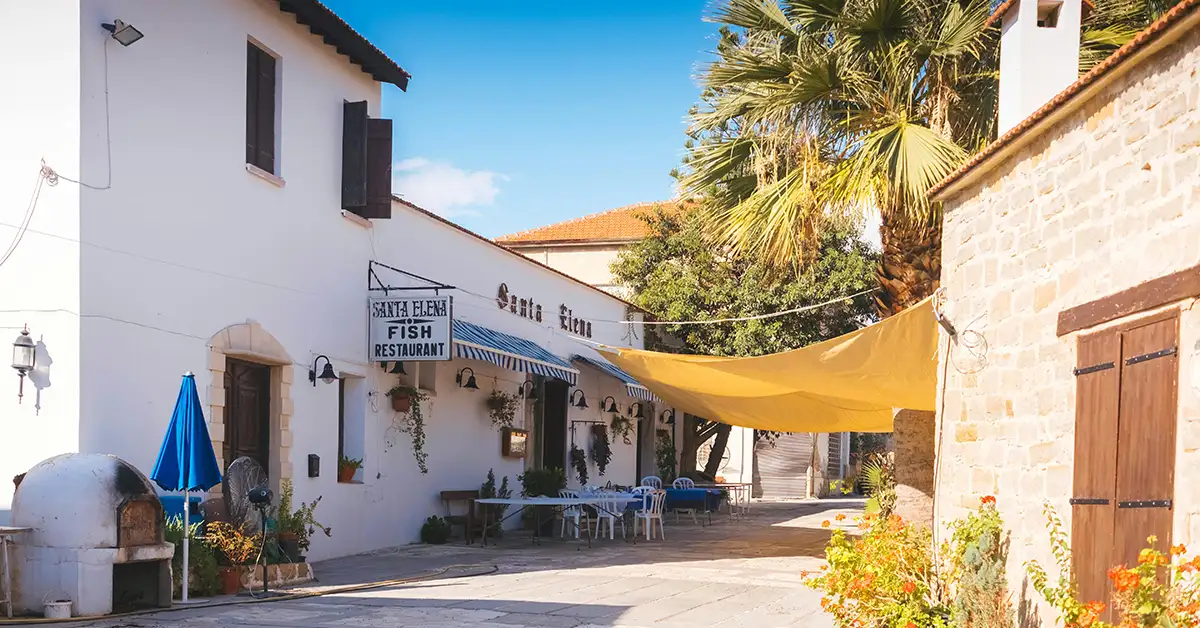
Located in the Eastern Mediterranean Sea, Cyprus is one of the safest countries in Europe with a low crime rate. It offers a relaxed lifestyle by white-sand beaches, warm weather year-round and a friendly expat community.
Retirees can enjoy walking along the coast, swimming in crystal-clear waters, exploring quaint fishing villages or participating in outdoor activities like scuba diving, playing golf and visiting historical sites from Roman times. With more than 70,000 expats living there (mostly retirees from the UK, Germany, France, the US and Russia), Cyprus is a multicultural and easy-to-integrate destination.
Regarding the cost of living, Cyprus is cheaper than many Western European countries. A family of four needs only about €3,077.5 per month (excluding rent) to live comfortably, according to data Numbeo November 2025. A meal for two at a restaurant ranges from €45-€100, utilities from €100-€300, and a three-bedroom apartment in the city centre is about €1,700.
Like many European countries, Cyprus provides low-cost public healthcare for legal residents. However, foreigners often purchase private health insurance (about €100-€200 per month) to access faster services, especially in major cities like Limassol and Paphos where many doctors speak English.
Cyprus does not have a separate retirement visa, but retirees can apply for a temporary residence permit via Category F (for those with stable passive income from abroad). This permit (also known as a Pink Slip) is valid for one year, renewable indefinitely, and requires:
Another option is the Cyprus Golden Visa programme (Permanent Residency Program) via an investment starting from €300,000 in real estate (residential or commercial) or investment funds, granting permanent residency (no expiration, only requiring a visit to Cyprus every two years). The programme allows you to include family members (spouse, children under 25 and dependants), Schengen freedom of movement and a pathway to citizenship after seven years of residence.
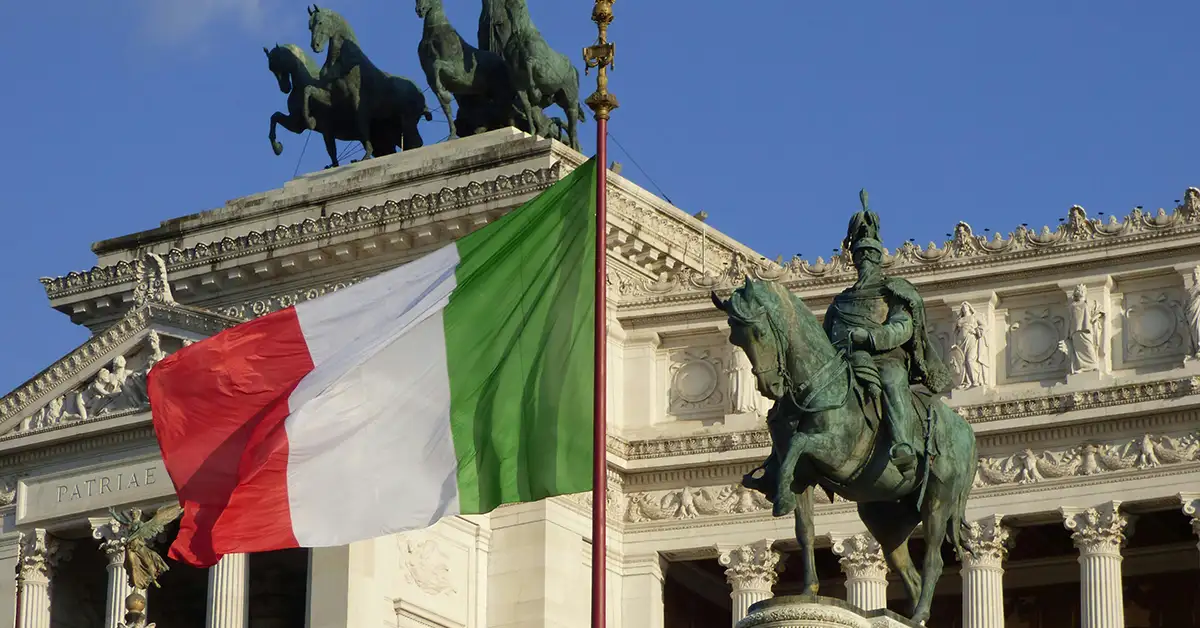
According to the latest census data, about 5.3 million foreigners live in Italy. So what makes this country so attractive to them? Italy is generally very safe, with low crime rates in most areas outside major cities.
As a retiree, you can enjoy hiking, maintaining a healthier lifestyle, shopping at vibrant local markets, and visiting world-famous historical sites such as the Colosseum or Pompeii. In addition, there is the stunning Amalfi coast, the majestic Alps and the lush Tuscan countryside for a variety of outdoor activities.
The cost of living varies by region: Northern cities are more expensive, while Southern towns are very affordable. A family of four spends about €2,500-€3,000 per month (excluding rent). A meal for two at a restaurant ranges from €50-€100, utilities from €130-€300, and a three-bedroom apartment in the city centre is about €800-€2,730.
On the other hand, Italy boasts an excellent healthcare system for those who choose to retire here. Once you become a resident, you can register with the National Health Service (SSN) for free or low-cost care. You can also choose private insurance for faster service. Furthermore, with a strong economy, Italy ranks among the richest countries in the world.
Italy has a retirement visa called the Italian Elective Residence Visa. To obtain this residence permit, you must prove a stable passive income of at least €31,000 per year (for individuals), and €38,000 per year (for couples). In addition, if you want to bring children, the amount increases by 20% for each child.
You may also consider applying for the Italy Golden Visa programme with a minimum investment of €250,000. Under this programme, you can receive a 2-year residence permit, which is renewable three times (for a total of 8 years), with investment options such as innovative startups, Italian companies, or government bonds.
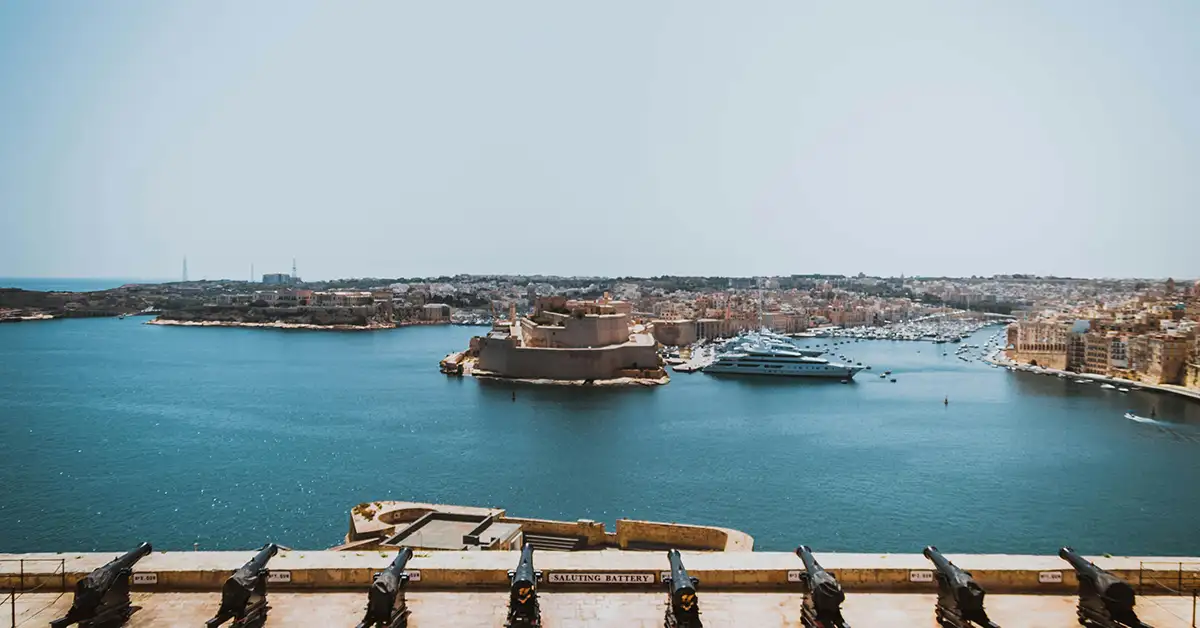
Malta is a small island nation in the Mediterranean, renowned for its year-round warm climate, widespread use of English (it is one of the best English-speaking countries in Europe), and high-quality healthcare system. This is why Malta attracts an increasing number of global retirees who appreciate its relaxed lifestyle, safety, and cultural diversity.
The island nation is generally very safe, with low crime rates and a friendly expatriate community. Retirees can enjoy white sandy beaches, historical sites dating back to the Roman era and the Knights of St. John, as well as outdoor activities such as scuba diving, hiking, and exploring peaceful fishing villages.
Regarding the cost of living, Malta is more affordable than many Western European countries. A family of four requires approximately €2,820.10 per month (excluding rent) to live comfortably. A meal for two at a restaurant costs about €70, utilities range from €60–€150, and a 3-bedroom apartment in the city centre costs about €1,640.48.
Like many European countries, Malta offers both public and private healthcare. Once you become a legal resident, you gain access to public services at a low cost. Meanwhile, private healthcare is also popular and easily accessible, especially for new arrivals.
Malta currently does not have a separate retirement visa. Retirees can apply through the Malta Permanent Residence Programme (MPRP) – a permanent residence by investment programme starting from €600,000 (including the purchase/lease of qualifying property, donations, and administrative fees).
Important Note: Following the ruling of the Court of Justice of the European Union (ECJ) on 29 April 2025, Malta’s Citizenship by Investment (CBI) programme was found to violate EU law and has been completely terminated (no further citizenship is granted). However, the MPRP remains operational and has been updated via Legal Notice 146/2025 (effective from 22 July 2025), with improvements such as:
The programme allows for the inclusion of family members (spouse, children under 18, and dependants), freedom of movement within the Schengen Area, and the issuance of a permanent residence permit (which does not expire, provided conditions are maintained). Processing times are fast (usually a few months), and Malta is an ideal choice for those seeking a “second base” in Europe with a relaxed Mediterranean lifestyle.
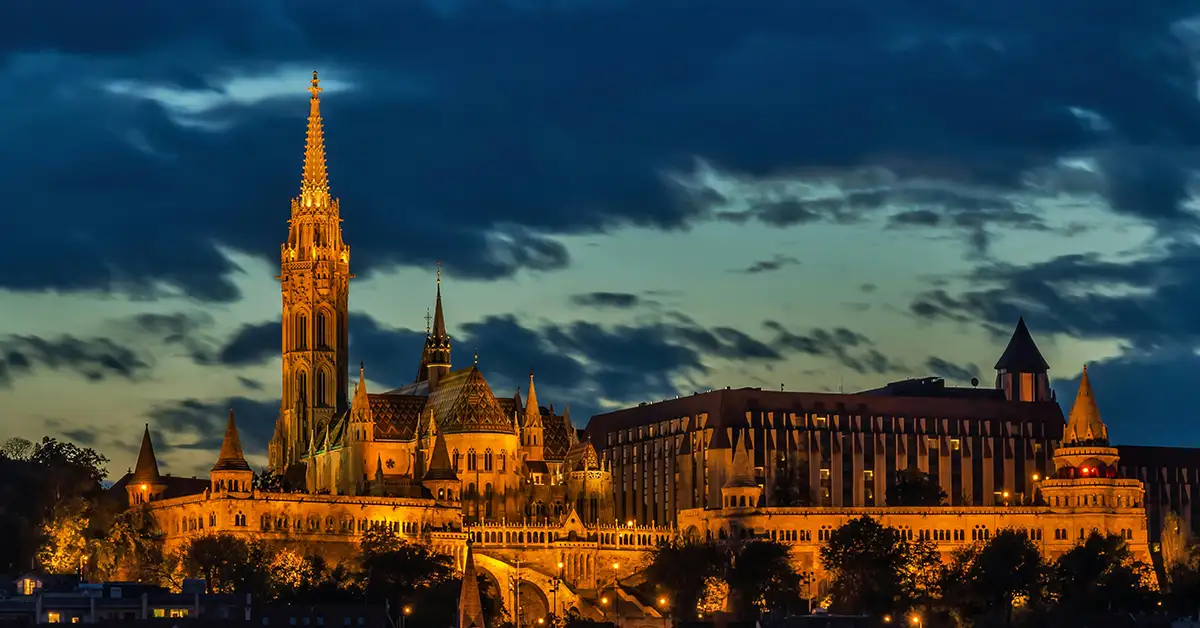
Hungary is located in Central Europe and is distinguished by its rich culture, low cost of living, good healthcare system, and a harmonious blend of vibrant urban life and peaceful countryside. The capital, Budapest – known as the “Paris of Eastern Europe” – is a haven for expatriates and retirees due to its stunning architecture, the poetic Danube River, and comfortable living.
The country is generally very safe, with low crime rates in most areas. Retirees can enjoy relaxing thermal baths, stroll through lively local markets, walk along the legendary Danube River, or explore lakes, hills, and historical towns such as Eger or Szentendre.
In terms of costs, Hungary is one of the most economical choices in Europe. A family of four requires approximately €2,273.70 per month (excluding rent) to live comfortably. A meal for two at a restaurant costs between €30–€75, utilities range from €90–€195, and a 3-bedroom apartment in the city centre costs about €1,009.62. Healthcare costs are also very affordable with both public and private services available; in major cities like Budapest, most doctors speak fluent English.
Hungary currently does not have a separate retirement visa. However, retirees can easily apply for a residence permit through the Hungary Golden Visa programme by making a qualifying investment. There are currently two main options:
The programme allows for the inclusion of family members (spouse, children under 18, and dependants). When issued, the residence permit is valid for up to 10 years, accompanied by the right to free movement within the Schengen Area and a path to permanent residency/Hungarian citizenship after 8 years.
Hungary is increasingly attracting global retirees due to the perfect combination of affordability, UNESCO cultural heritage (such as Budapest and the Heviz thermal springs), traditional cuisine (goulash, Tokaj wine), and a central European location convenient for travel. This is an ideal choice if you are looking for relaxation, safety, and savings for your golden years.
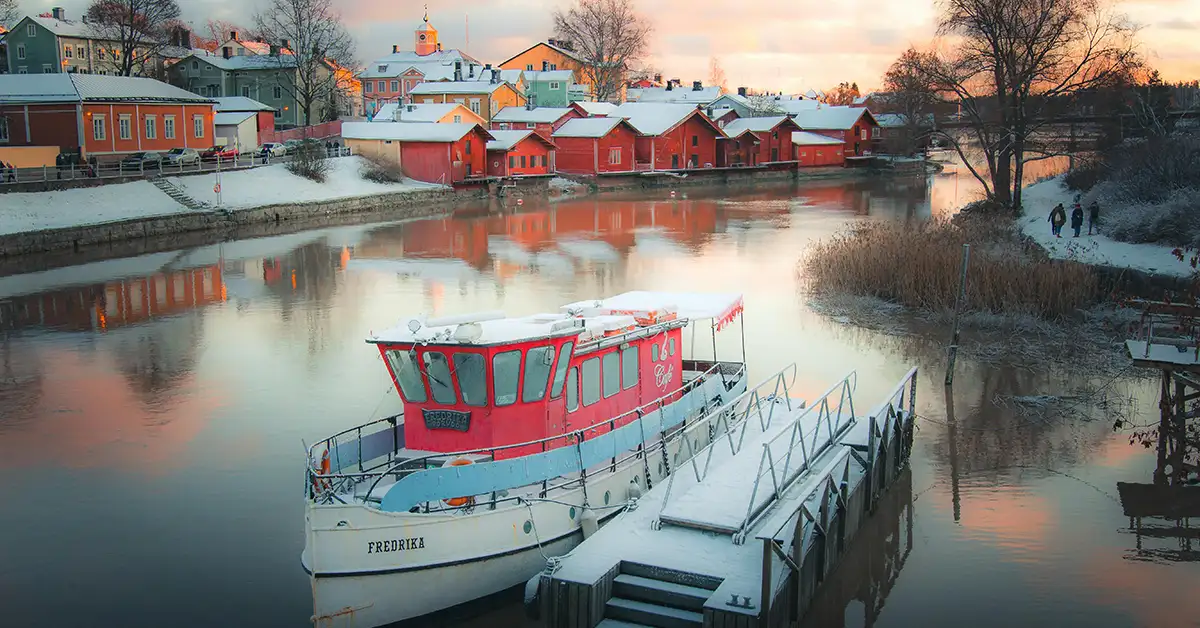
Finland is a Nordic country renowned for its stunning nature, high level of safety, and a standard of living that ranks among the best in the world. It offers a peaceful, organised lifestyle that is close to nature. English is widely spoken, especially in major cities. Finland is consistently ranked as one of the safest countries on the planet with an extremely low crime rate.
Retirees can enjoy outdoor activities year-round such as hiking, fishing, kayaking, viewing the Northern Lights, or relaxing in a traditional sauna, amidst pine forests and thousands of crystal-clear lakes.
However, the cost of living in Finland is higher than the European average. A family of four requires approximately €3,439.60 per month (excluding rent). A meal for two at a restaurant costs about €55–€120, utilities are about €127, and a 3-bedroom apartment in the city centre costs from €1,500–€2,000 per month.
In return, Finland possesses a robust public healthcare system with very low costs for residents. Expatriates usually need to purchase private health insurance during the initial period until they become eligible for public healthcare.
Finland currently does not have a separate retirement visa. Retirees can apply for a residence permit on the basis of sufficient financial resources.
Main requirements:
Once you become a legal resident, you will enjoy the full social benefits and public healthcare of one of the happiest countries in the world.
Finland is particularly suitable for retirees who love pristine nature, the cleanest air in Europe, the white nights of summer, and the magical white snow of winter – an ideal destination to enjoy old age in peace and absolute safety.
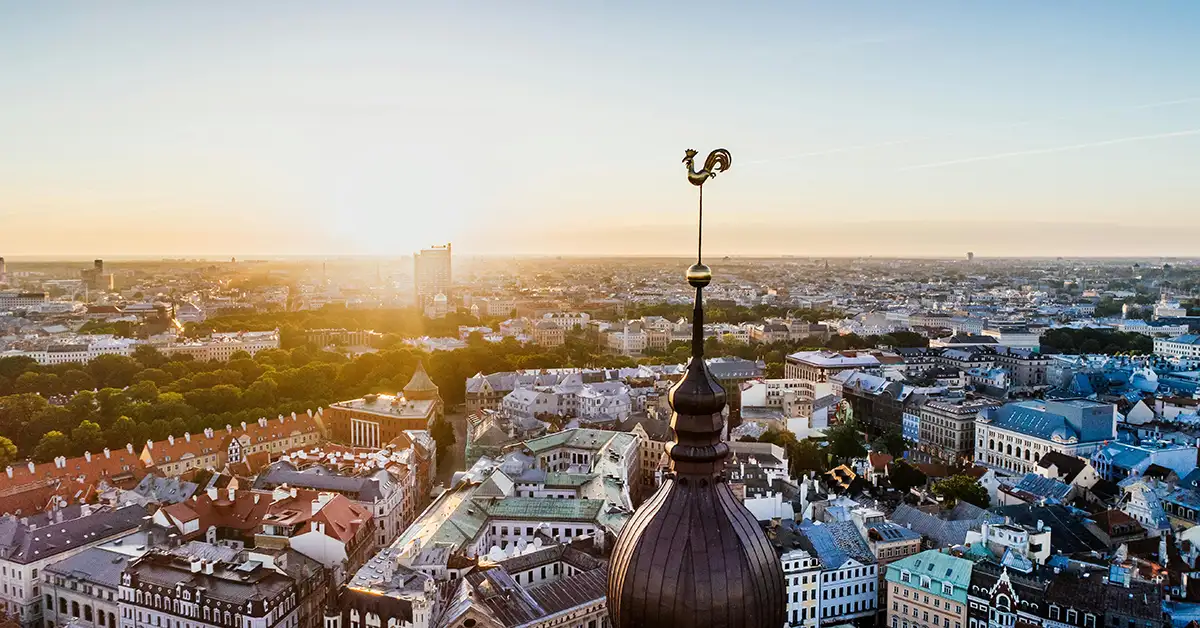
Latvia is a small country located in Northern Europe on the Baltic coast. It offers a low cost of living, peaceful towns, and easy access to nature. The capital, Riga, is very popular with expatriates. The country is generally safe and quiet. Crime rates are low. Retirees often enjoy walking in parks, exploring the countryside, and visiting the coast.
Regarding the cost of living, Latvia is among the cheapest countries in the European Union. A family of four can live comfortably on just about €2,727.5 per month (excluding rent). A meal for two costs about €35-€100. Utilities are about €263. A three-bedroom apartment in the city centre is only about €802.44. At the same time, residents enjoy a public healthcare system with reasonable costs available in most towns and cities. However, during the initial period, most foreigners still recommend purchasing private health insurance for peace of mind.
Latvia currently does not offer a separate retirement visa programme. However, retirees can apply for a residence permit based on sufficient income or through the Latvia Golden Visa programme with a minimum investment starting from just €50,000 – one of the lowest thresholds in Europe.
The programme allows you to bring your entire family, travel freely within the Schengen Area and benefits from a fast processing time. Once the application process is successfully completed, participants receive a residence permit valid for 5 years (renewable).
Latvia is increasingly becoming a favourite destination for retirees worldwide who want a peaceful life, low cost of living and closeness to nature while remaining within the European Union and the Schengen Area.
Portugal remains the number one choice for global retirees thanks to its extremely flexible D7 visa, low cost of living and the fastest pathway to citizenship (currently 5 years). Spain, Greece, Italy and Hungary are the next destinations well worth considering with reasonable costs and excellent quality of life.
If you are looking for a safe, low-cost place that is easy to settle in long-term, the ten countries above are true retirement havens in Europe for 2025.
From 15 June 2026, citizens of Saint Kitts and Nevis, Saint Lucia and Nicaragua will need a visa…
Latvia's parliament has passed an immigration law removing the real estate and bank deposit routes from the Golden…
Sales by Egypt's leading developers eased slightly in Q1 2026 as the property market entered a correction phase,…
The Prosperous Living Investment team advises on pathways, assesses profiles and manages investments transparently for every residency, citizenship and international property objective.
Free profile assessmentWhere life gets prosperous
We use analytics cookies (Google Analytics) to understand how this site is used. They stay off until you agree. Privacy policy.